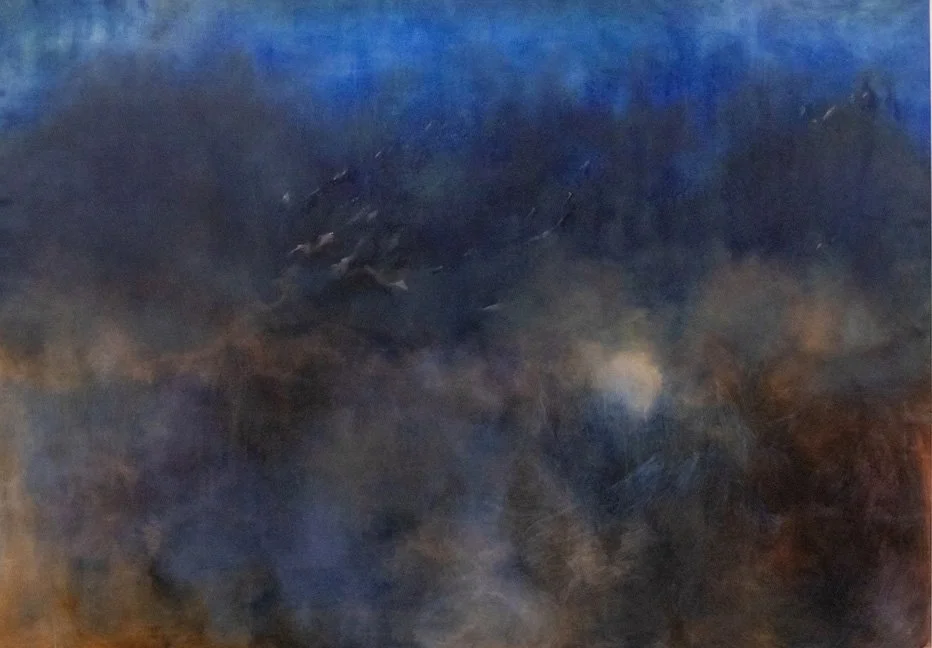
genius loci
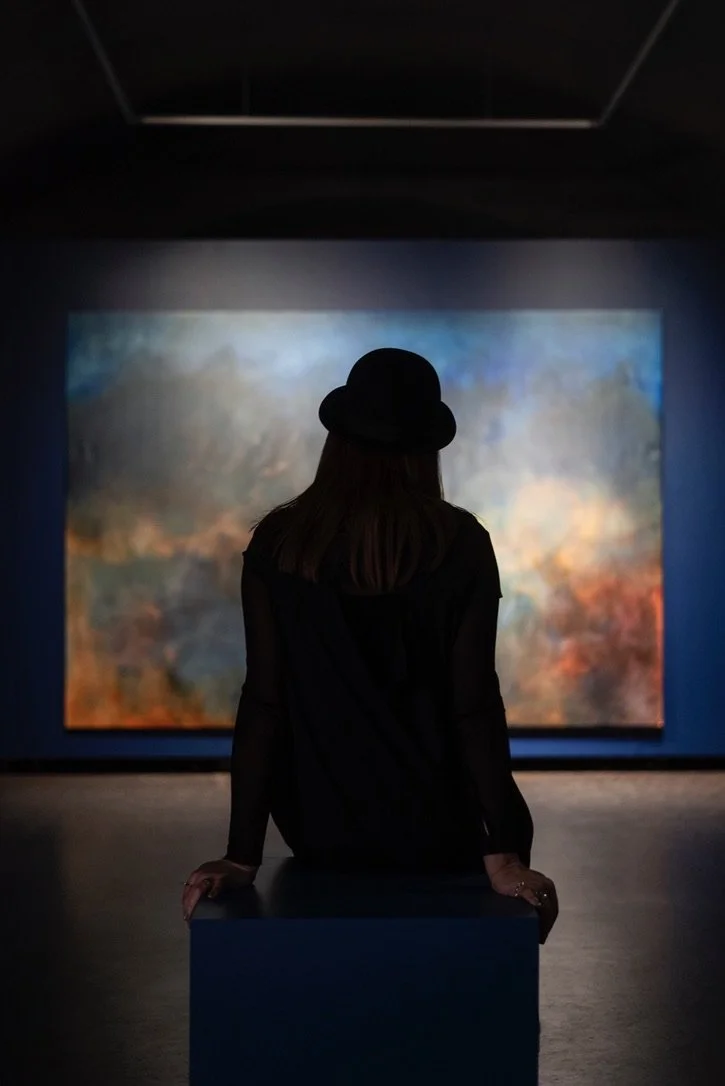
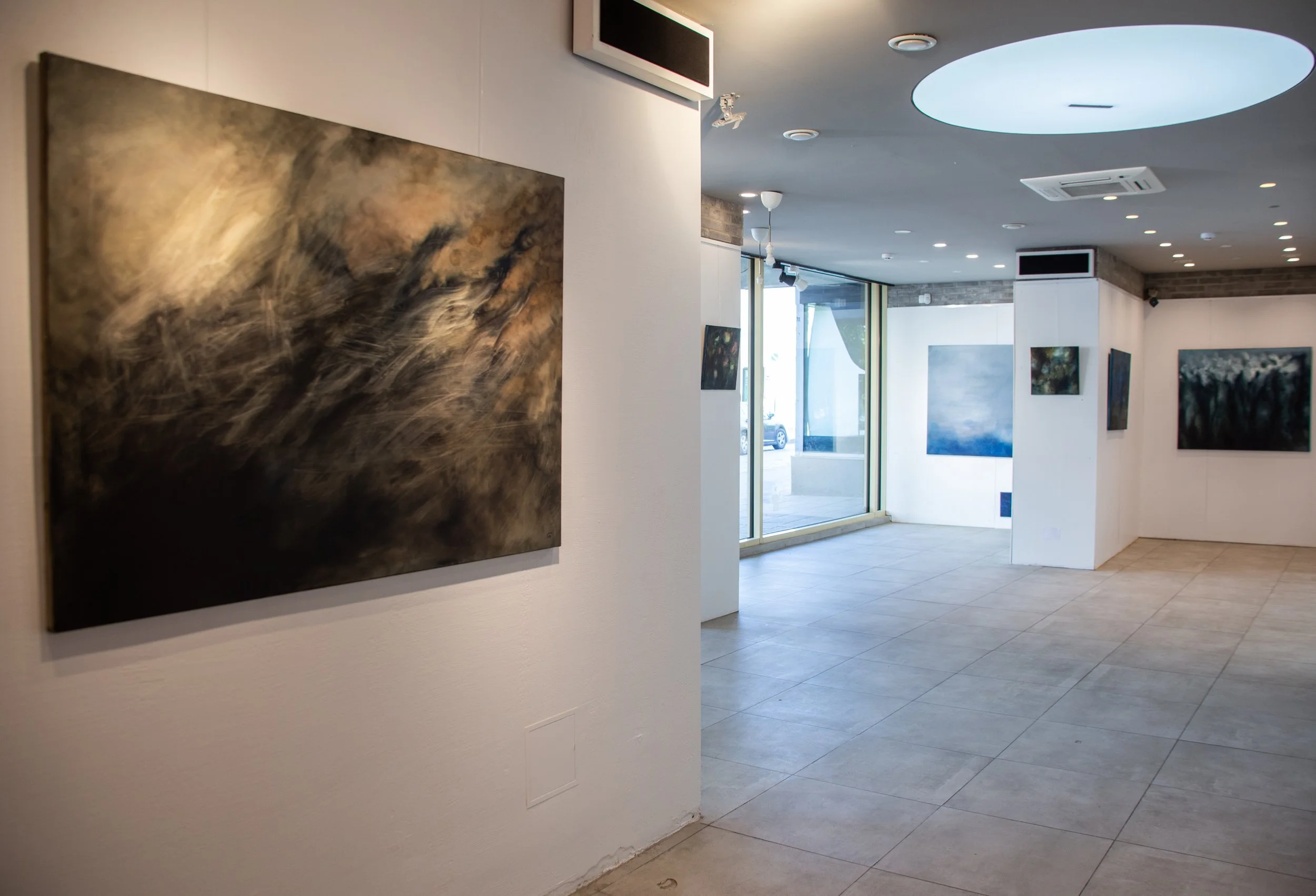
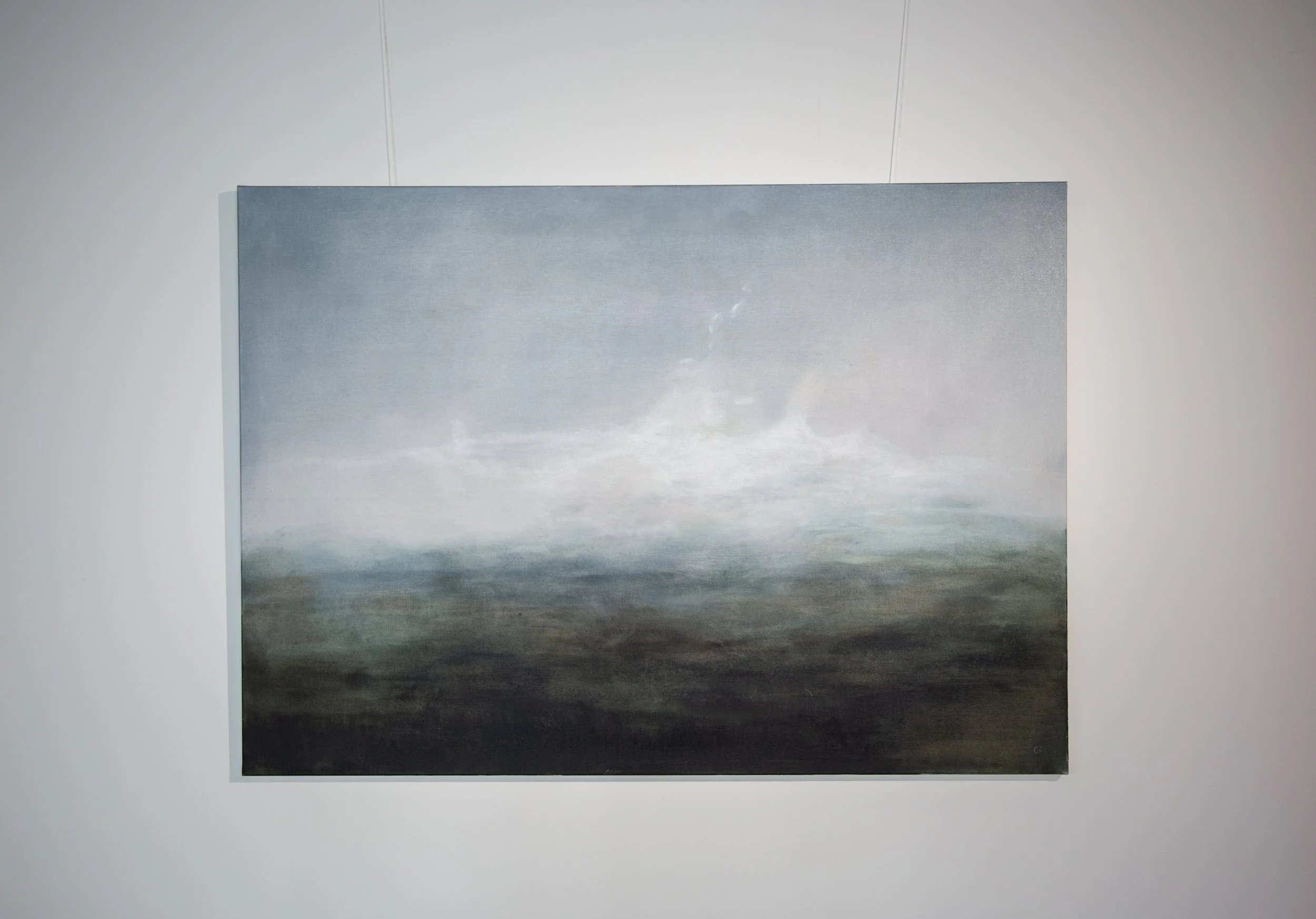
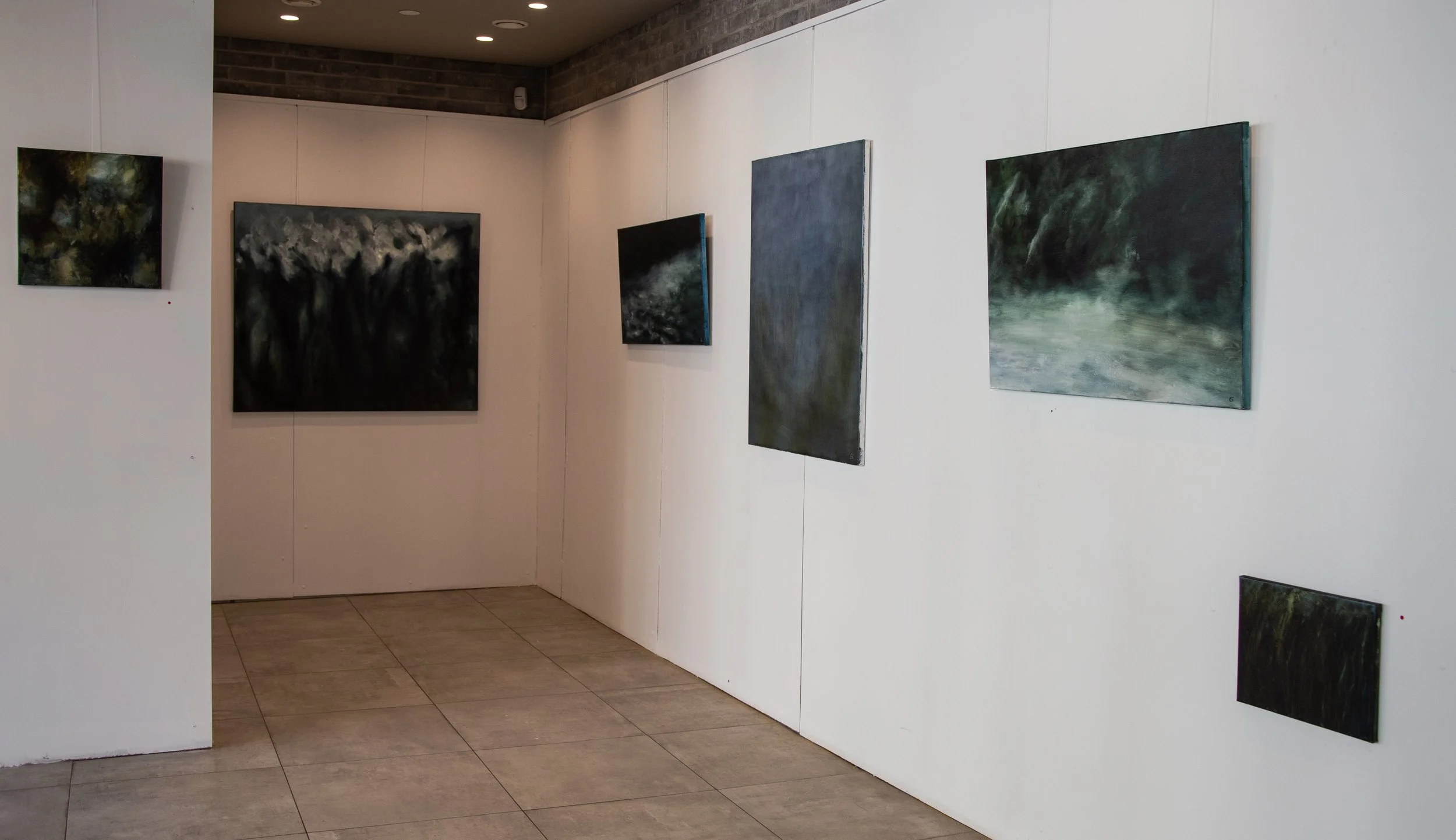
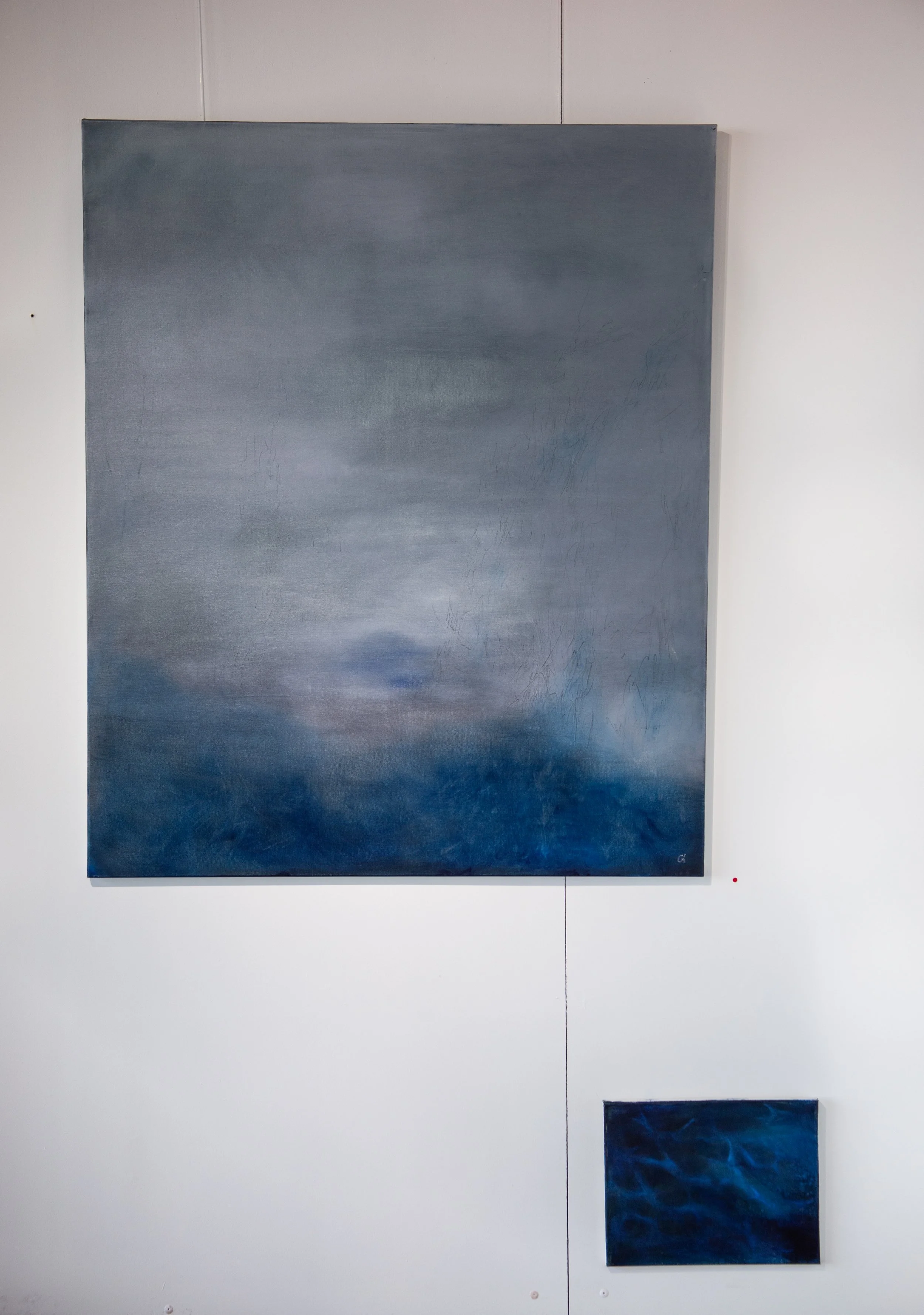
Genius loci is a sensory space where shadow, silence, and the fragile tremor of light become an experience in themselves. It speaks not of a real place, but of an inner one – a presence unseen yet palpable, existing at once in reality and in memory.
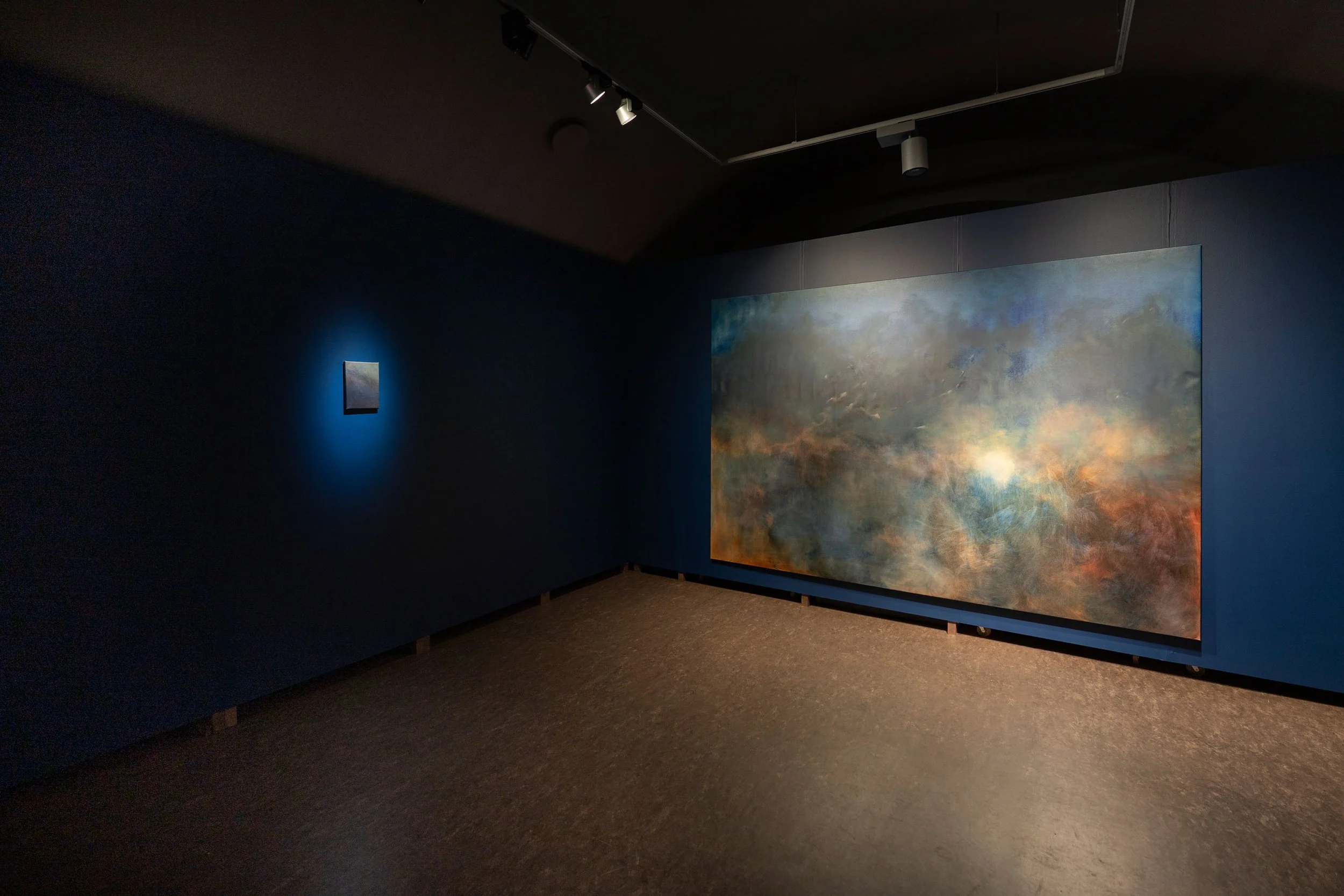
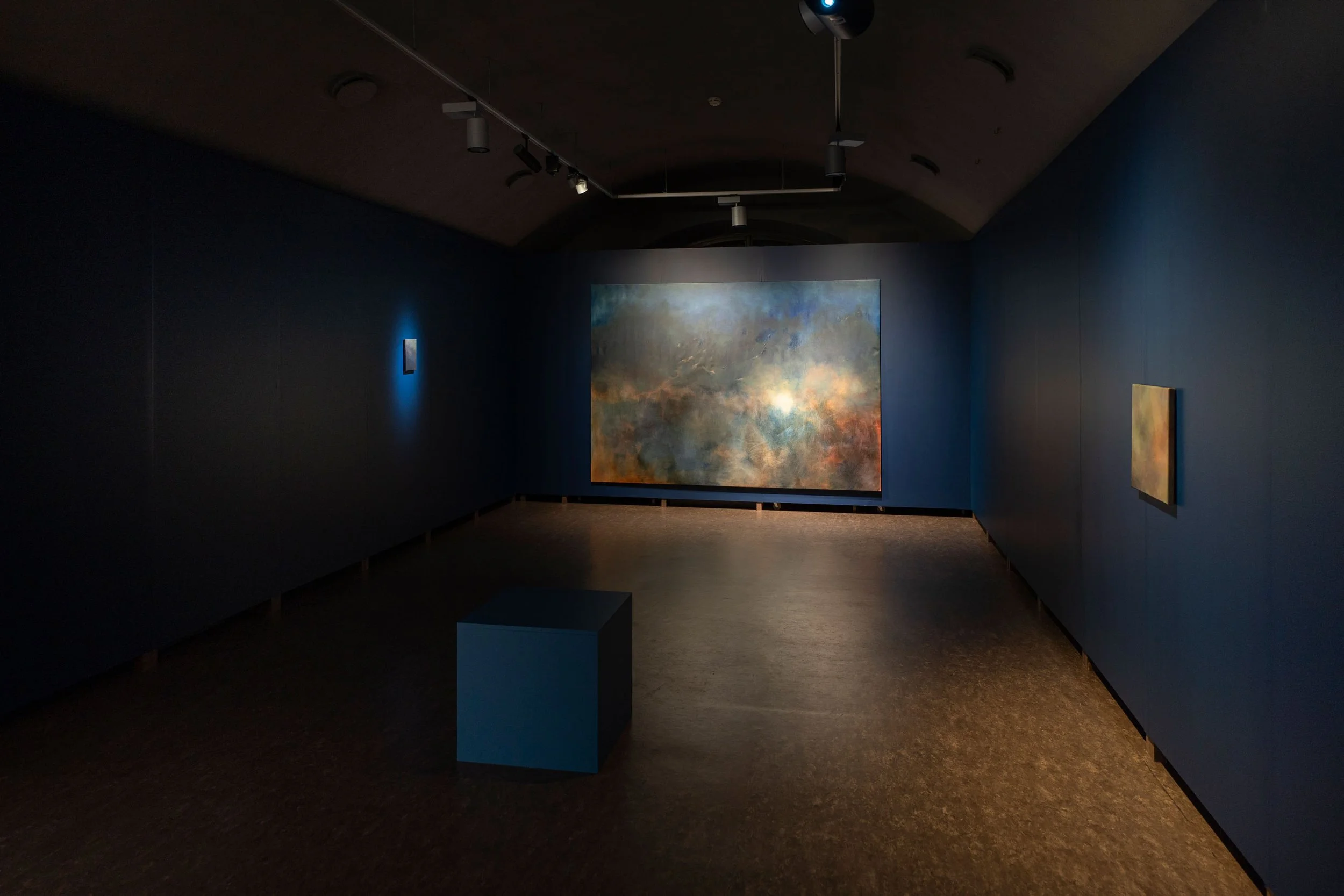
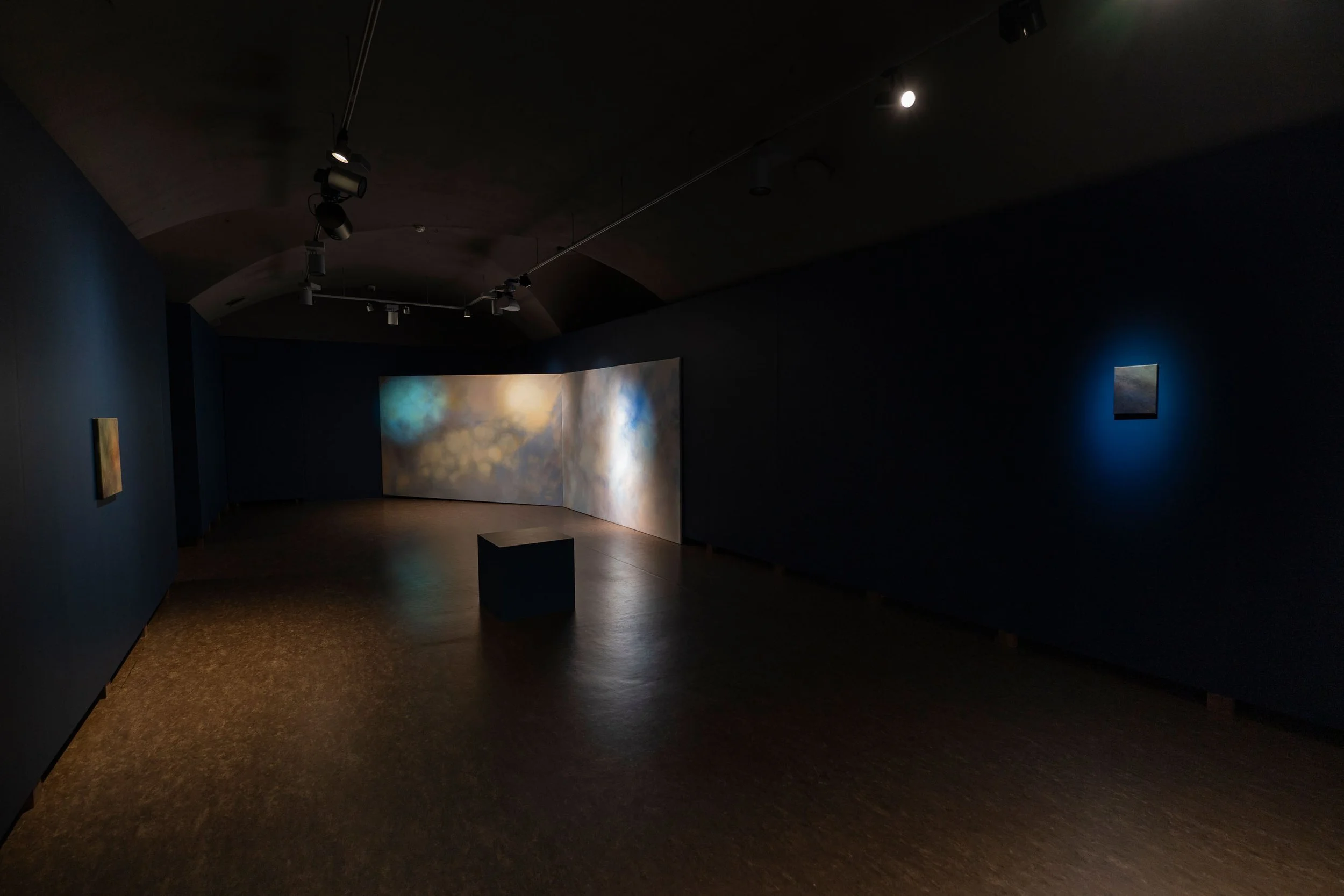
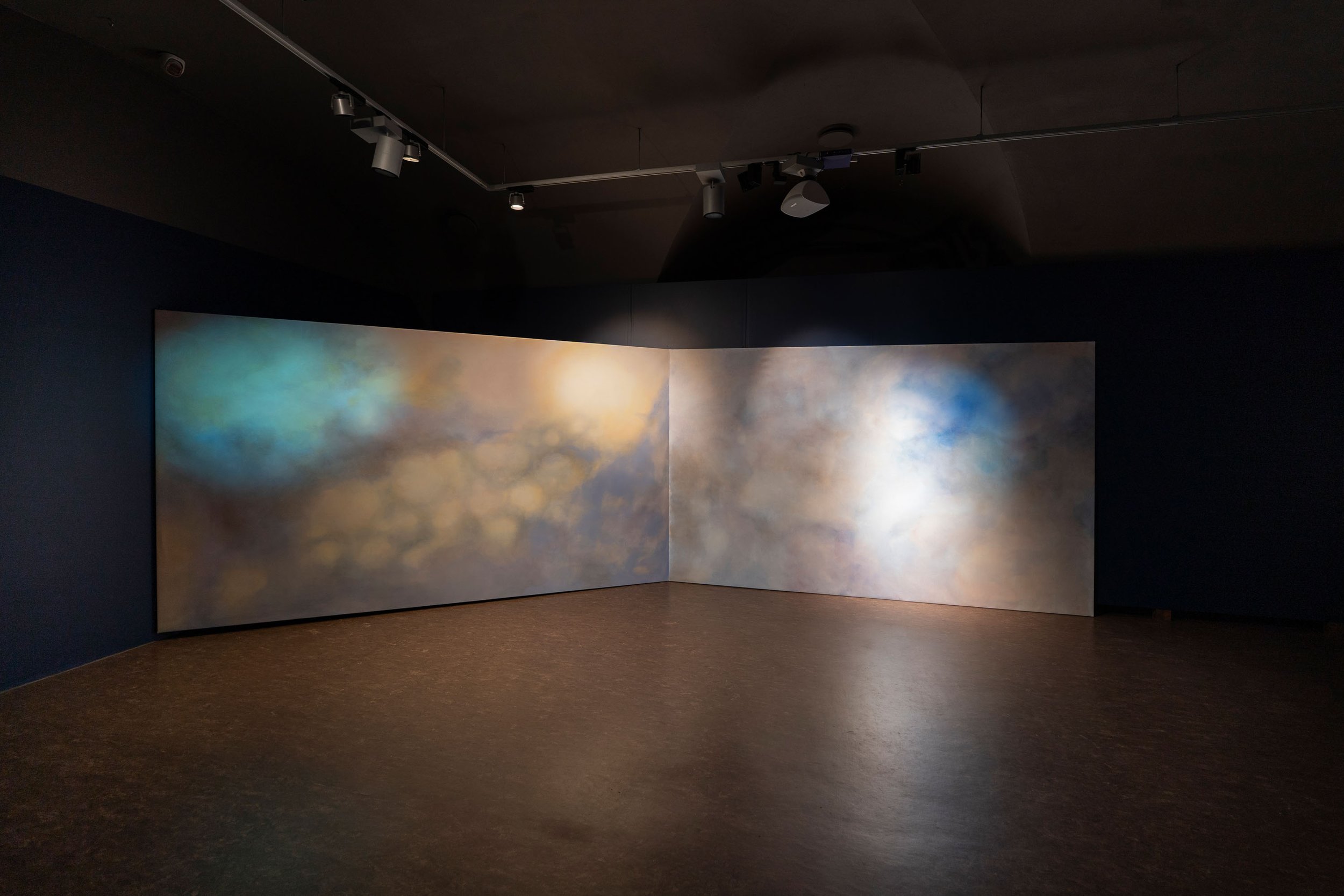
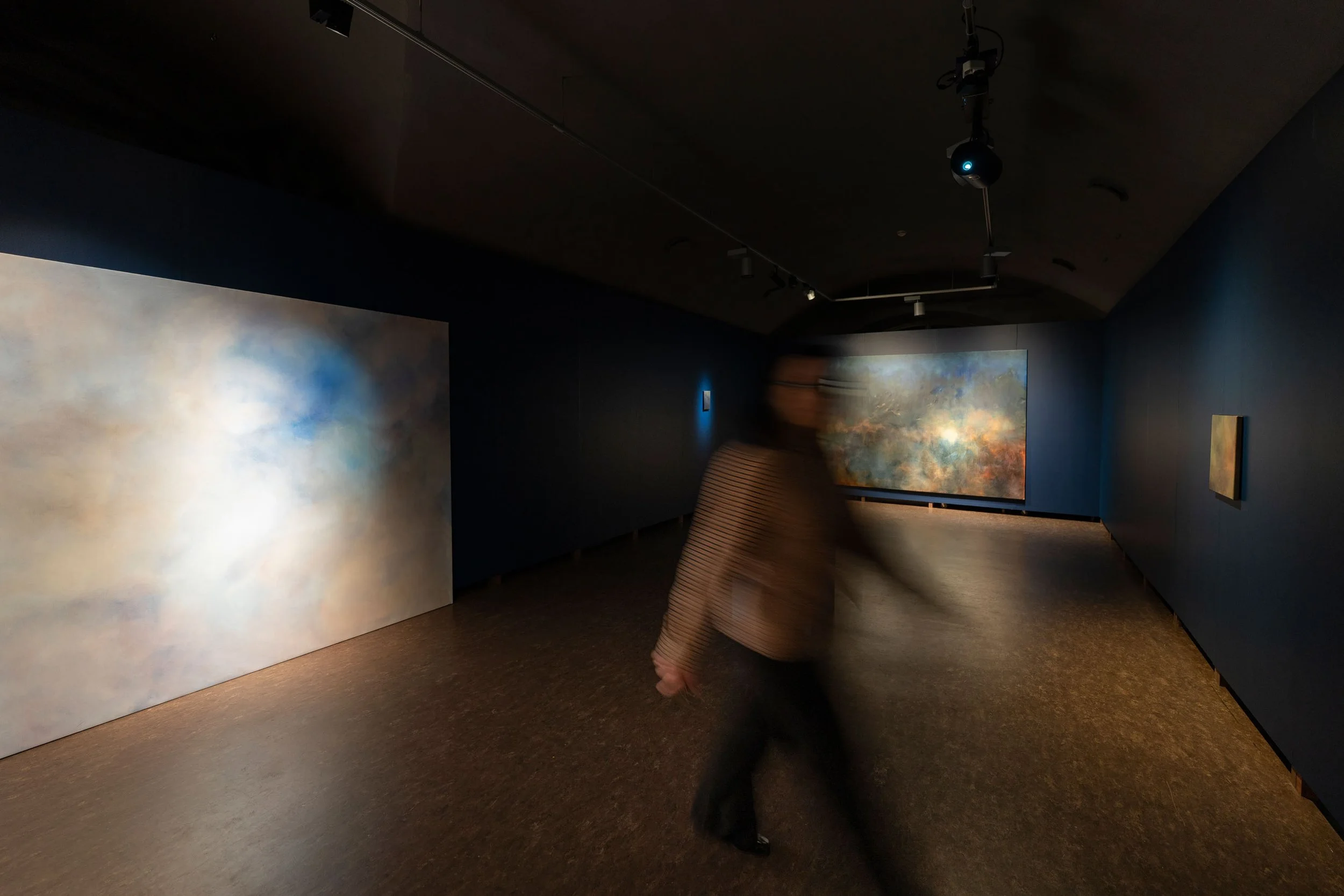
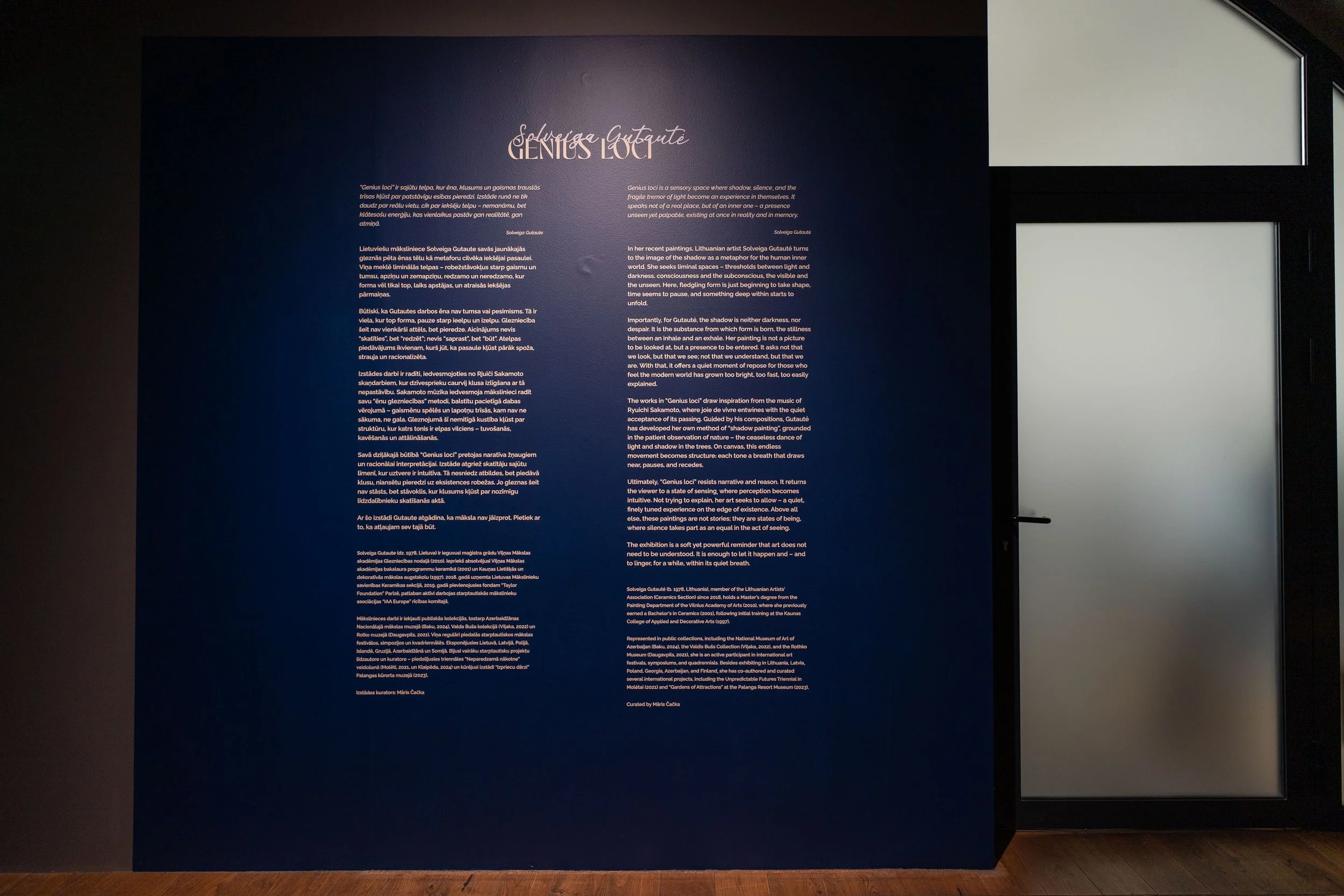
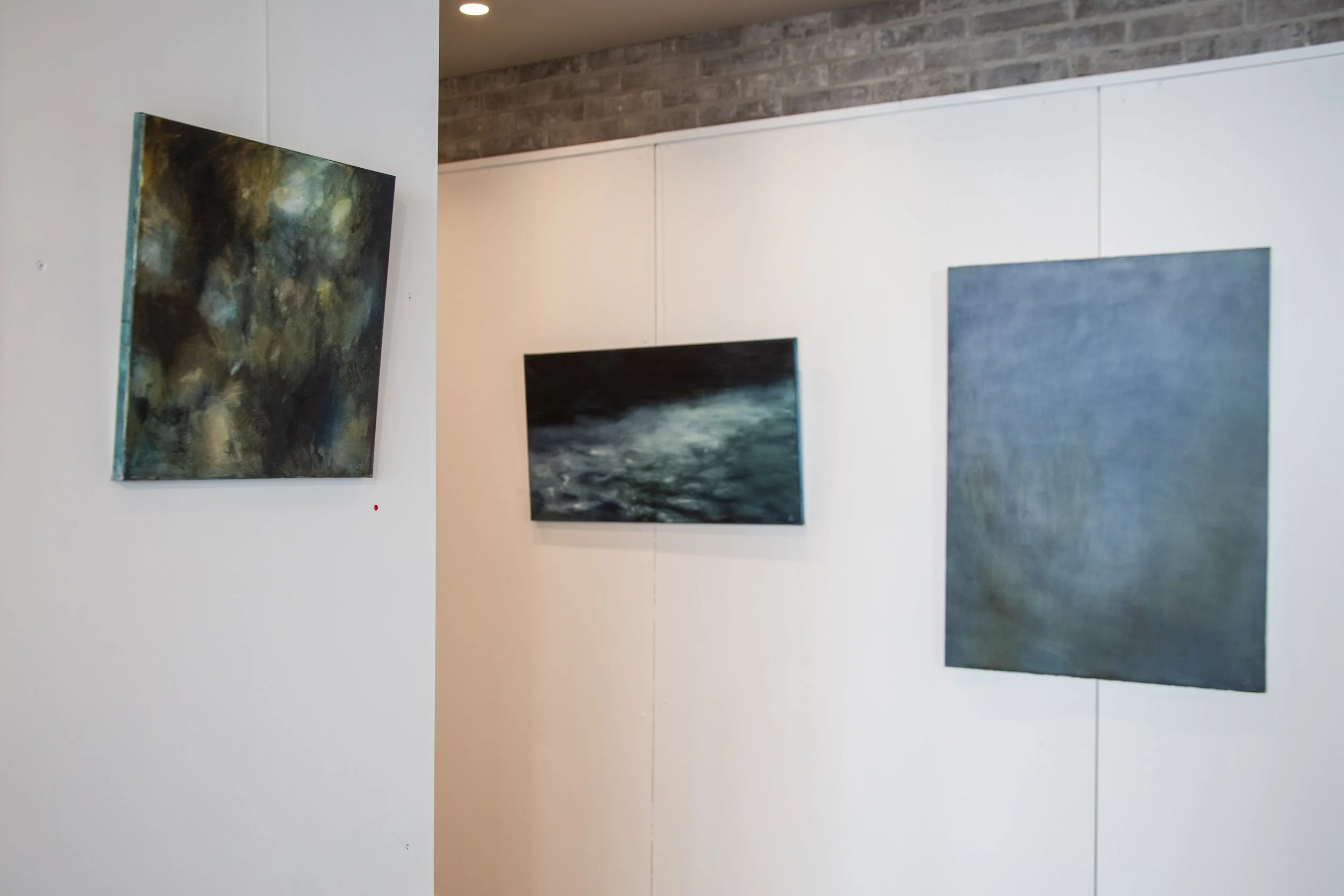
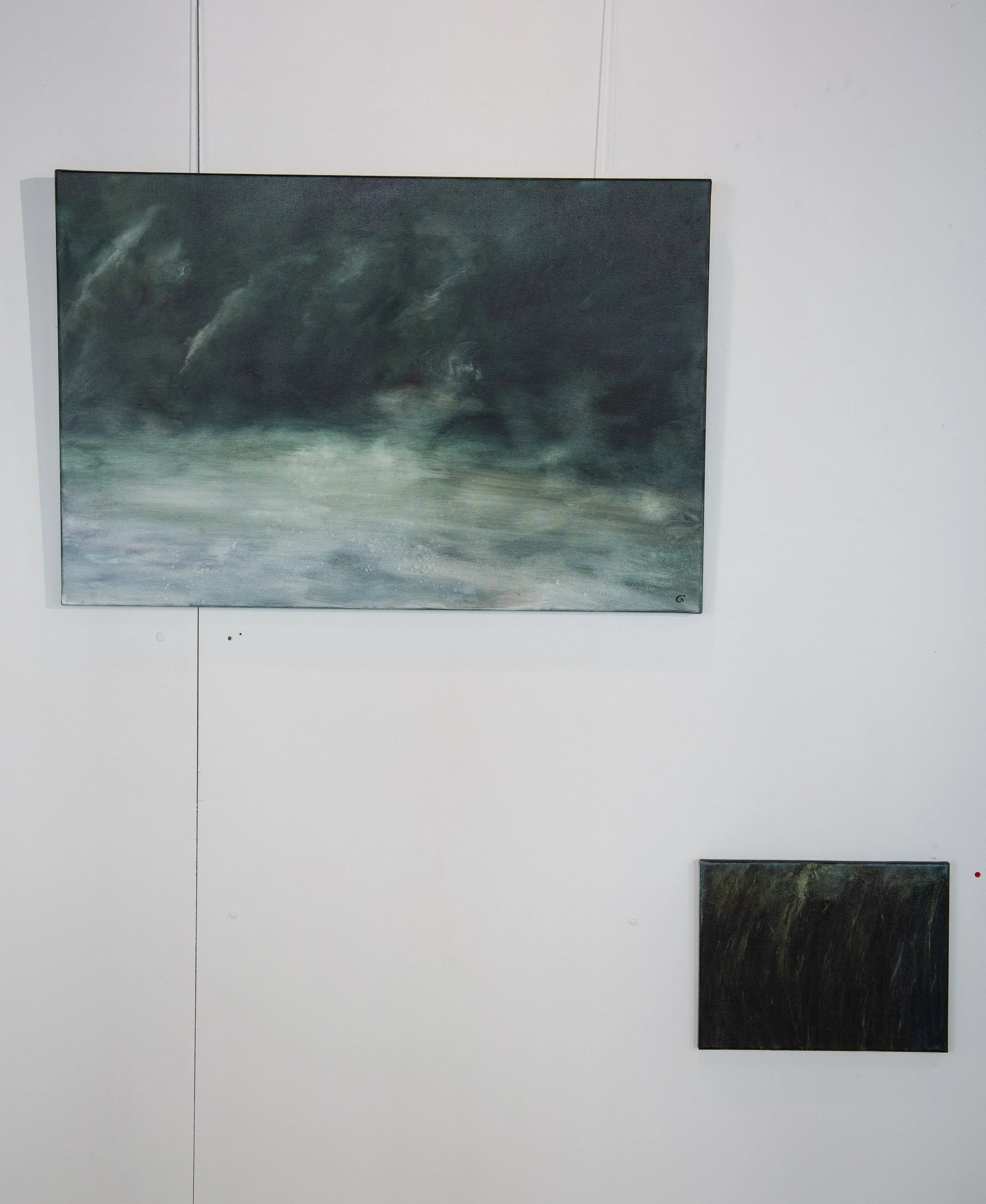
In her recent paintings, Lithuanian artist Solveiga Gutautė turns to the image of the shadow as a metaphor for the human inner world. She seeks liminal spaces – thresholds between light and darkness, consciousness and the subconscious, the visible and the unseen. Here, fledgling form is just beginning to take shape, time seems to pause, and something deep within starts to unfold.
Importantly, for Gutautė, the shadow is neither darkness, nor despair. It is the substance from which form is born, the stillness between an inhale and an exhale. Her painting is not a picture to be looked at, but a presence to be entered. It asks not that we look, but that we see; not that we understand, but that we are. With that, it offers a quiet moment of repose for those who feel the modern world has grown too bright, too fast, too easily explained.
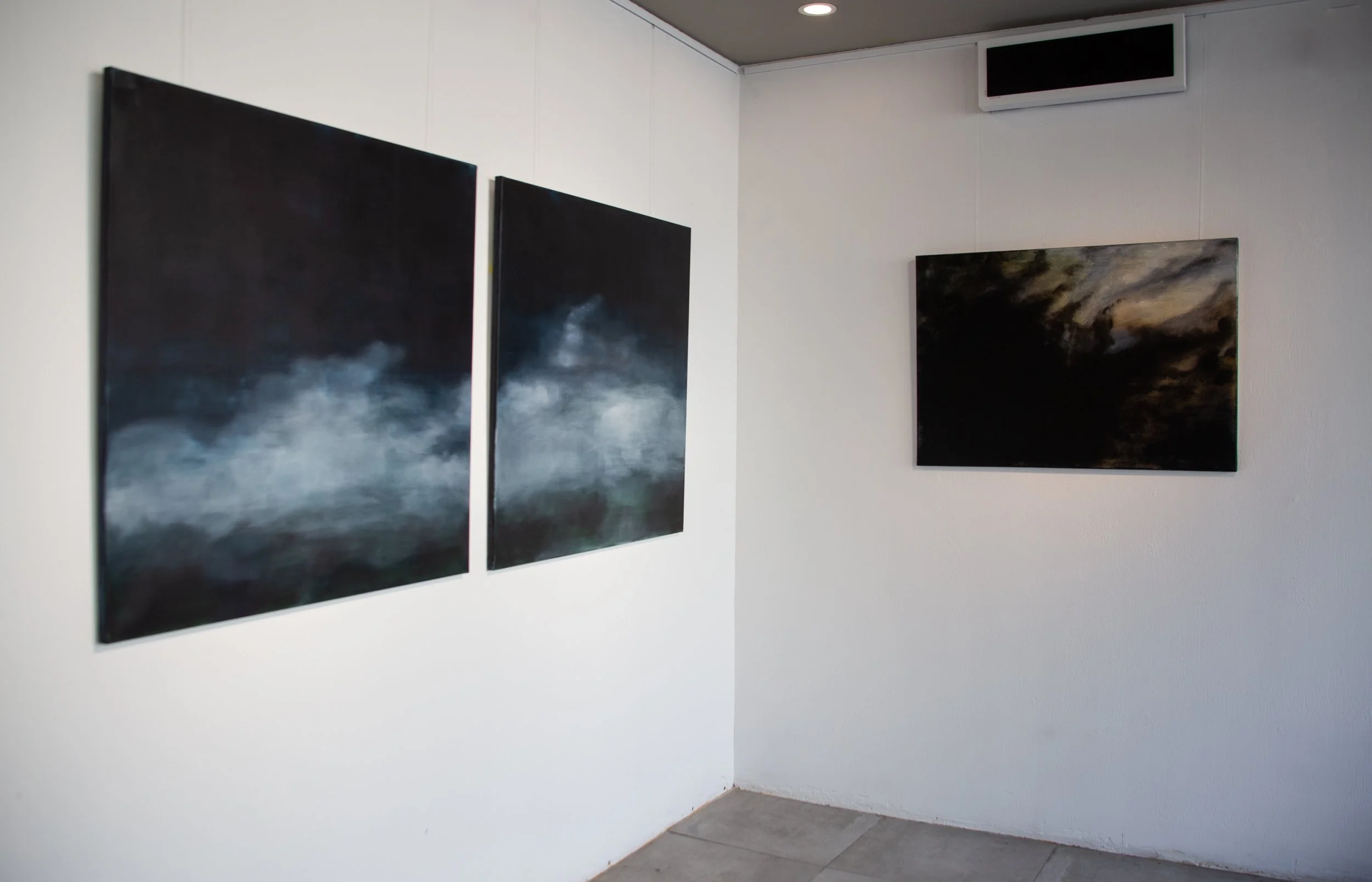
The works in “Genius loci” draw inspiration from the music of Ryuichi Sakamoto, where joie de vivre entwines with the quiet acceptance of its passing. Guided by his compositions, Gutautė has developed her own method of “shadow painting”, grounded in the patient observation of nature – the ceaseless dance of light and shadow in the trees. On canvas, this endless movement becomes structure: each tone a breath that draws near, pauses, and recedes.
Ultimately, “Genius loci” resists narrative and reason. It returns the viewer to a state of sensing, where perception becomes intuitive. Not trying to explain, her art seeks to allow – a quiet, finely tuned experience on the edge of existence. Above all else, these paintings are not stories; they are states of being, where silence takes part as an equal in the act of seeing.
The exhibition is a soft yet powerful reminder that art does not need to be understood. It is enough to let it happen and – and to linger, for a while, within its quiet breath.
Curated by Māris Čačka
National Museum of Art of Azerbaijan, 2023
Through the mediation of the Ambassador of the Republic of Lithuania to the Republic of Azerbaijan Egidijus Navikas, relations have been established with the National Museum of Art of Azerbaijan. As a result, it has been agreed to organize an exhibition of contemporary Lithuanian artists at this prestigious institution. The exhibition is also supported by the Embassy of the Republic of Azerbaijan in Lithuania. Curator Ornela Ramašauskaitė invited Solveigė Gutautė to participate in the exhibition. The concept proposed by the artist, by incorporating the Azerbaijani carpet weaving tradition included in the UNESCO Heritage List, would not only complement the exhibition, but would also help to establish closer institutional ties between art academies, the National Museum, and the Carpet Museum.
The artwork is the property of the National Museum of Art of Azerbaijan
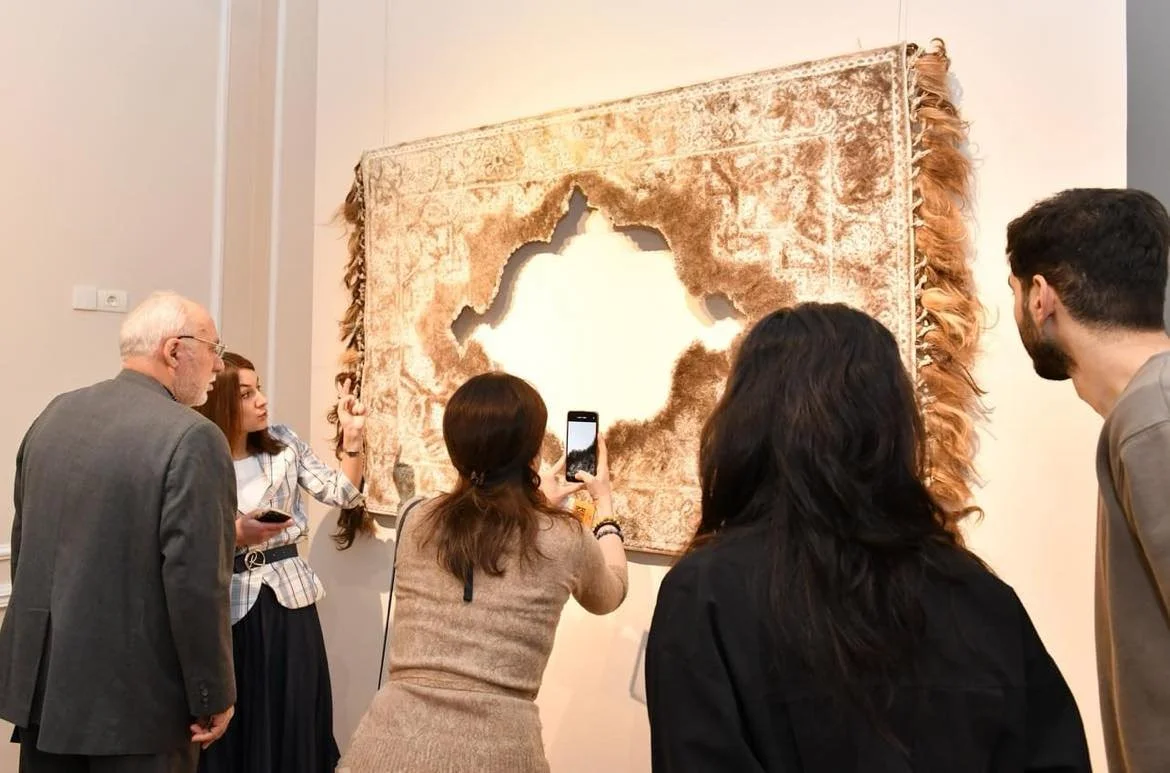

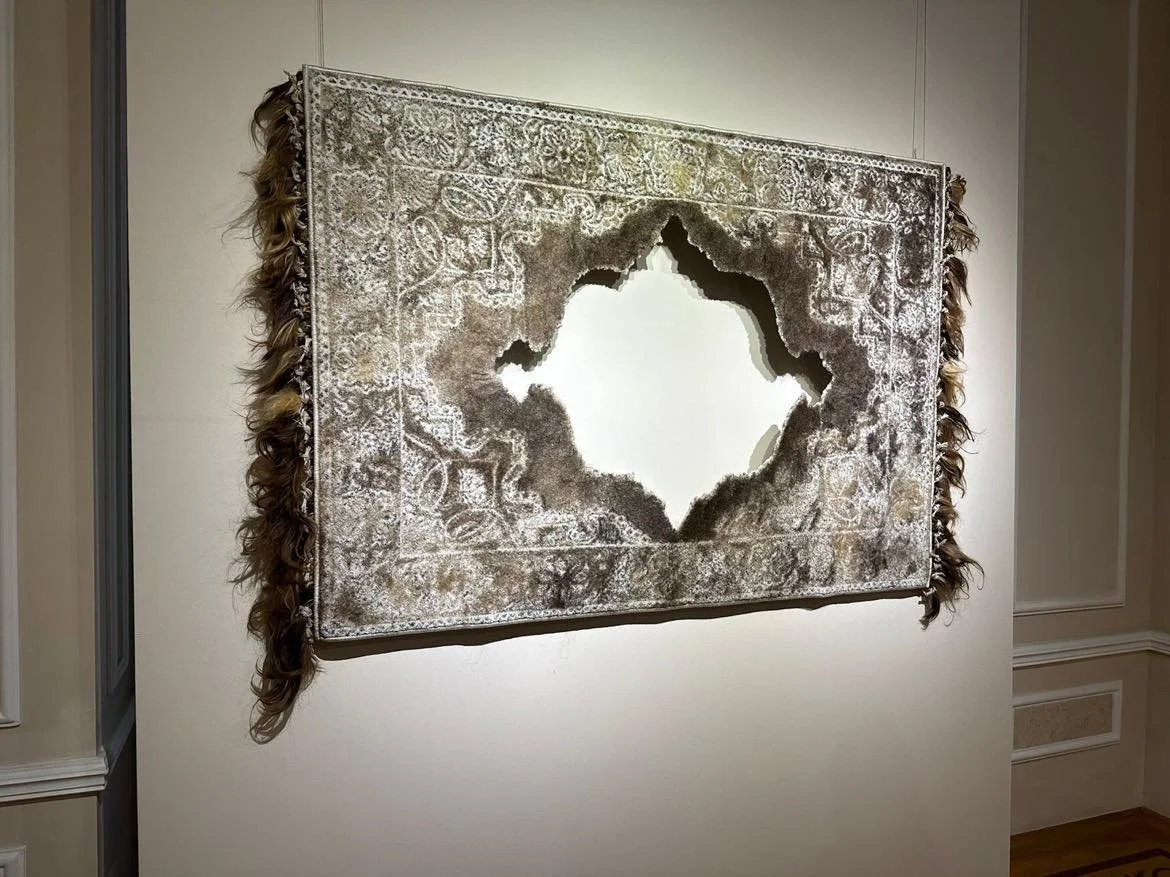

Personal painting exhibition, 2023
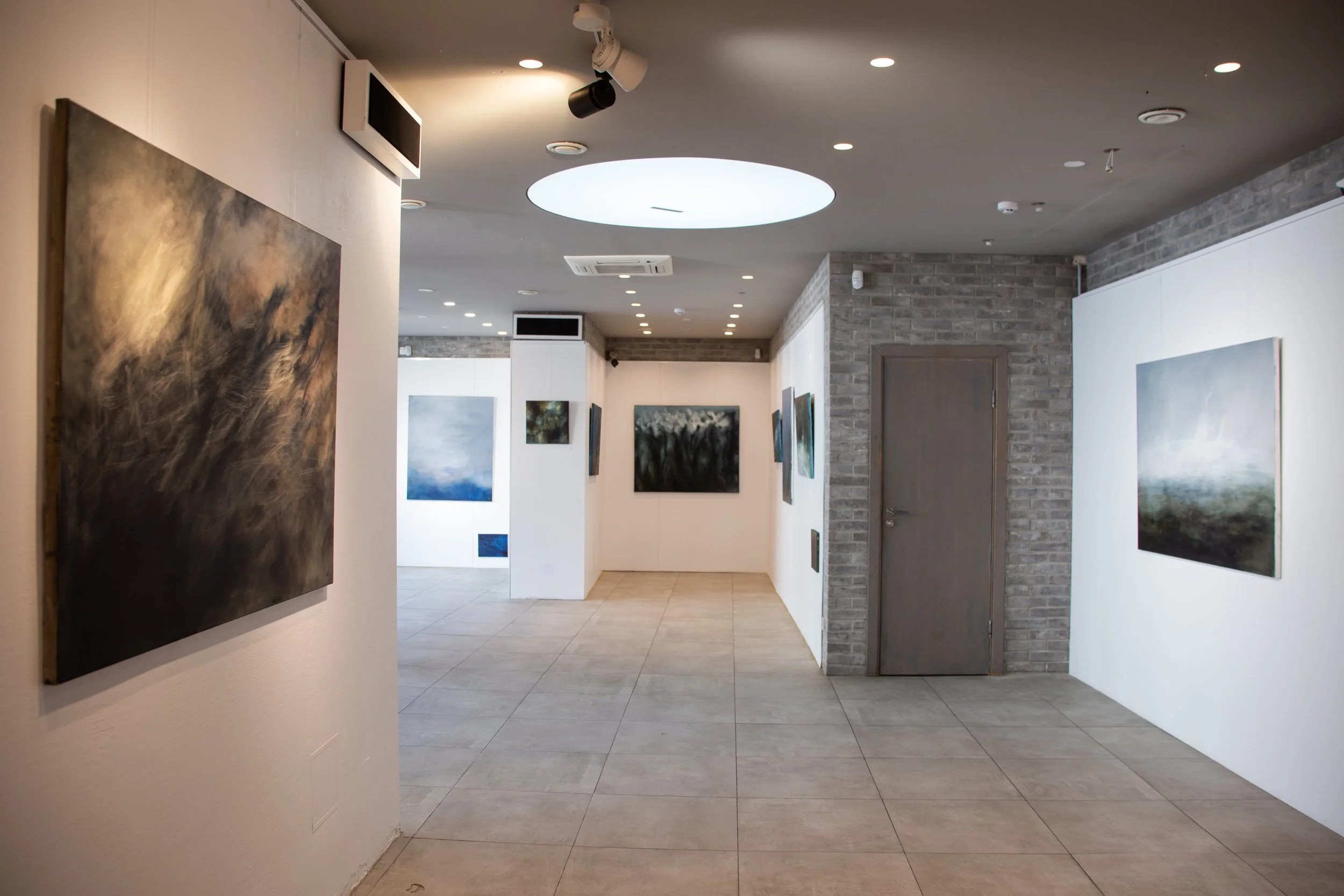
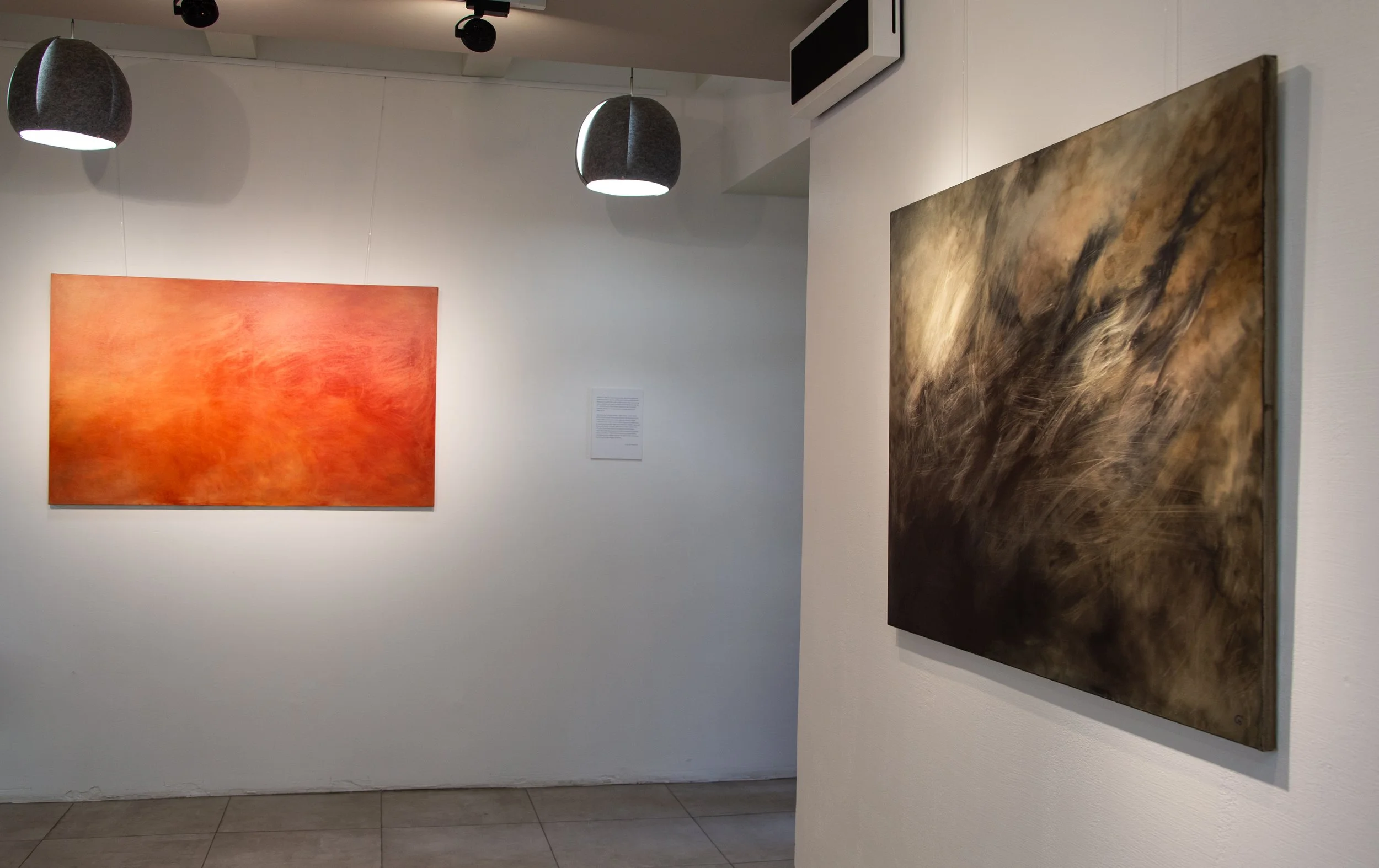
Solveiga Gutautė's cycle of works from 2020-2023 reminds viewers that abstract art since the beginning of the 20th century, has been, and still is, the purest creative expression, which is not subordinate to time, capable of conveying
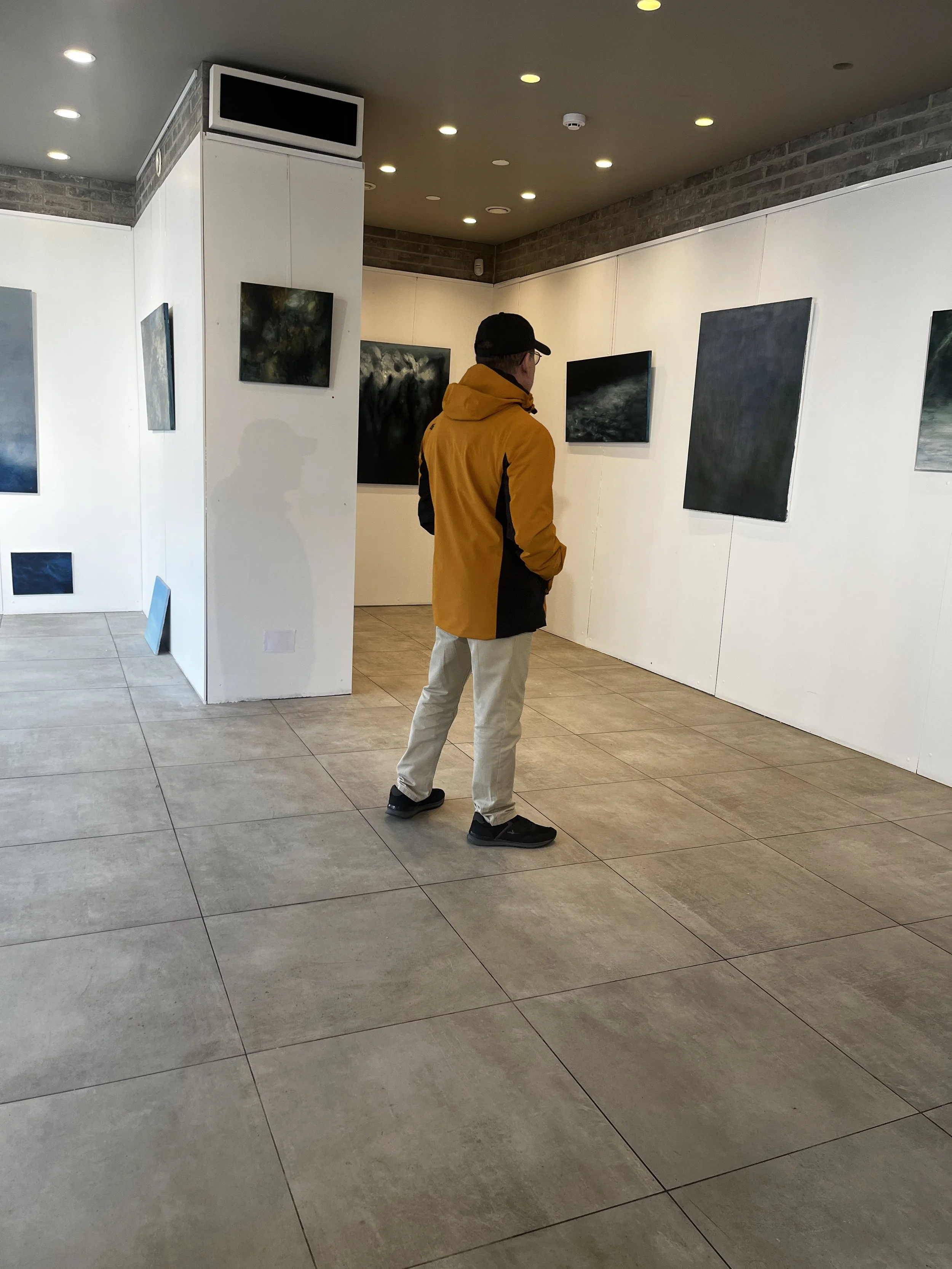
emotions and ideas only through forms, colours and textures. For its part, the name QUANTUM (which can be said to be the smallest changing unit of physical phenomena) does not refer here to abstract mathematical thinking, but implies the eternal and dynamic union of heaven and earth. In the canvases of, shown here in different colours - bright and hazy - the refreshing glow gives way to shades of black earth. This creates a sense of depth and slowness that engages and encourages reflection on the relationship between the biological gaze and extraterrestrial space. In the dark night sky, celestial bodies glow; but perhaps this is the view of a deep forest lake that has drowned the stars in the dark night? In some works, on the contrary, it is not the darkness that is enjoyed, but the volumes of light and the distances of the atmosphere. Whichever way you look at it, it is clear that the artist was influenced by her summer painting plein air experience, which allowed her to establish a deep and meaningful connection with her living environment. Looking at the canvases, one can sense that the artist is interested in the metaphysics of the natural phenomena that surround us, but also in the relationship between the cold, even terrifying cosmos and the fragile human existence.
Dr. Skaidra Trilupaitytė
PE gallery, Vilnius, Lithuania

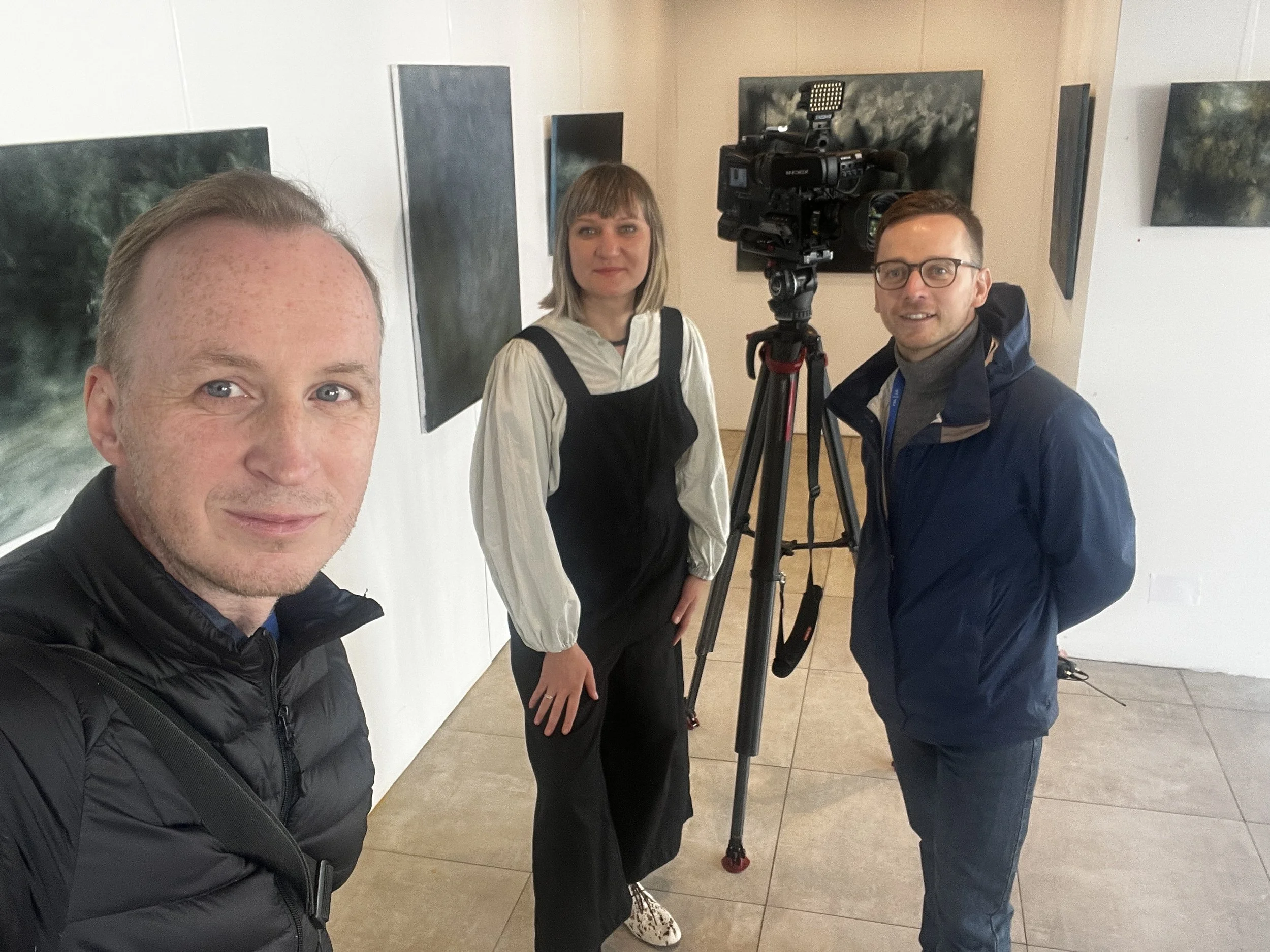

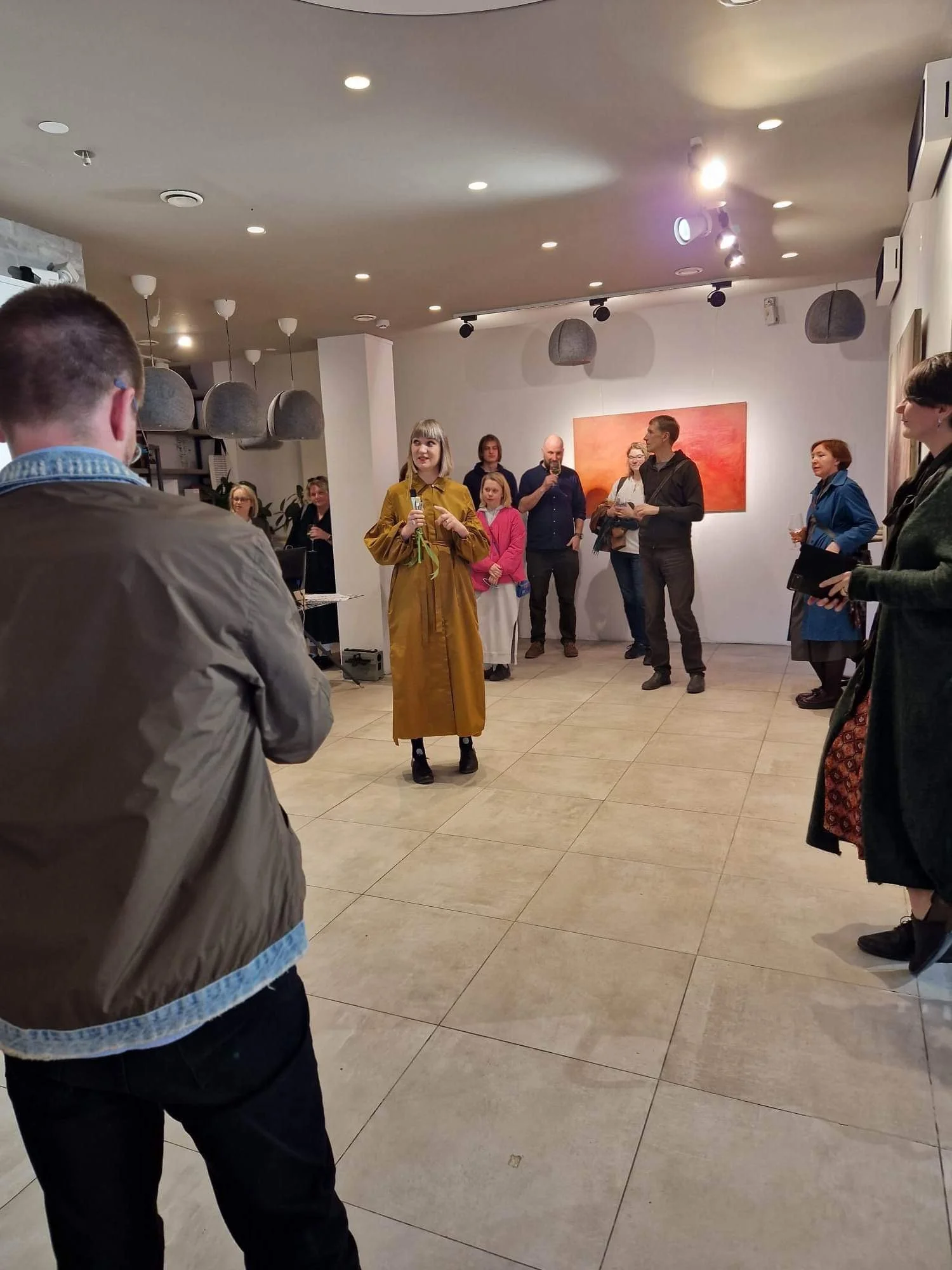
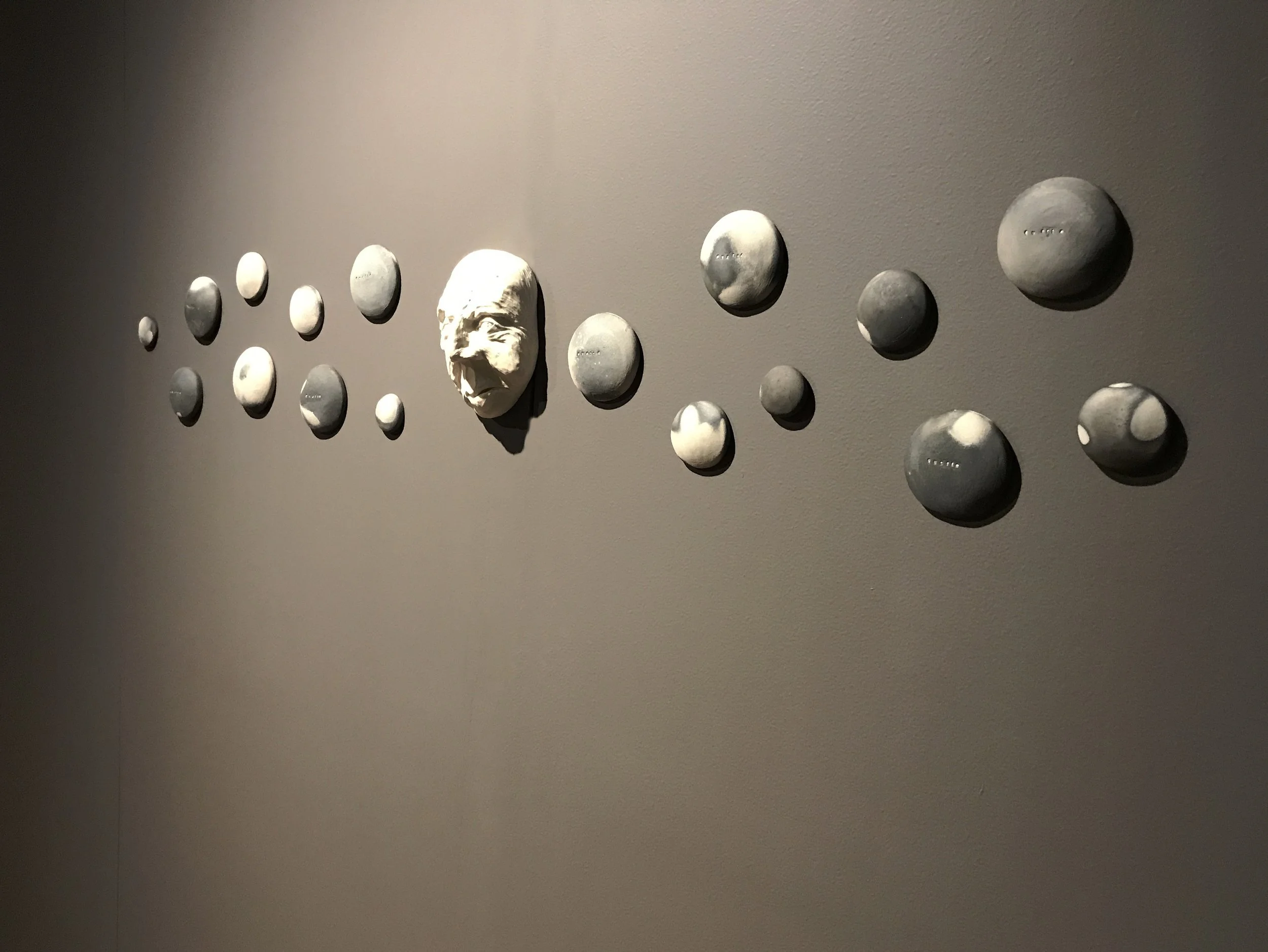
Daugavpils Mark Rothko Art Centre, in cooperation with the Latvian Centre for Contemporary Ceramics, hosts the 9th international ceramic art symposium “Ceramic Laboratory”.
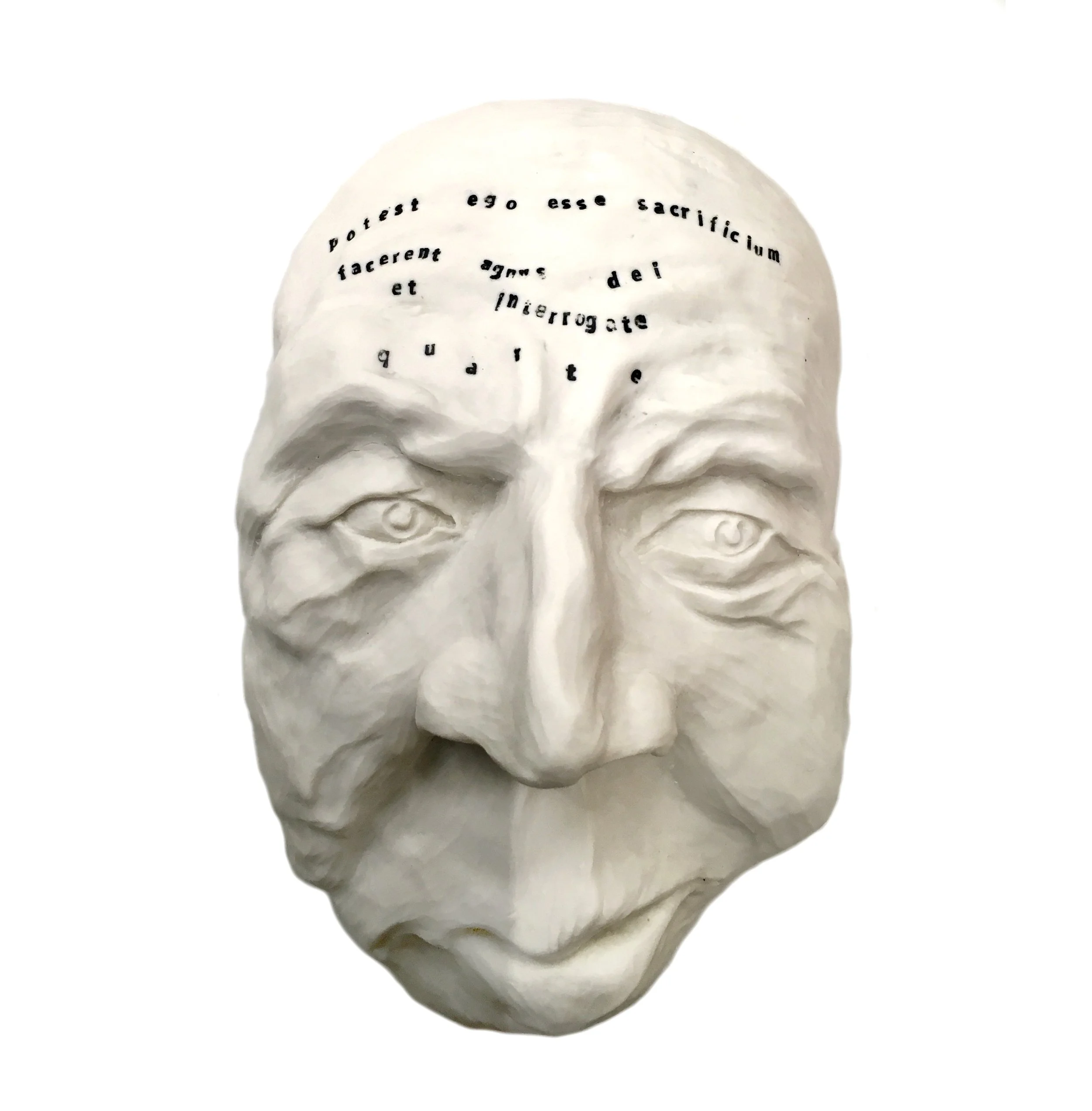
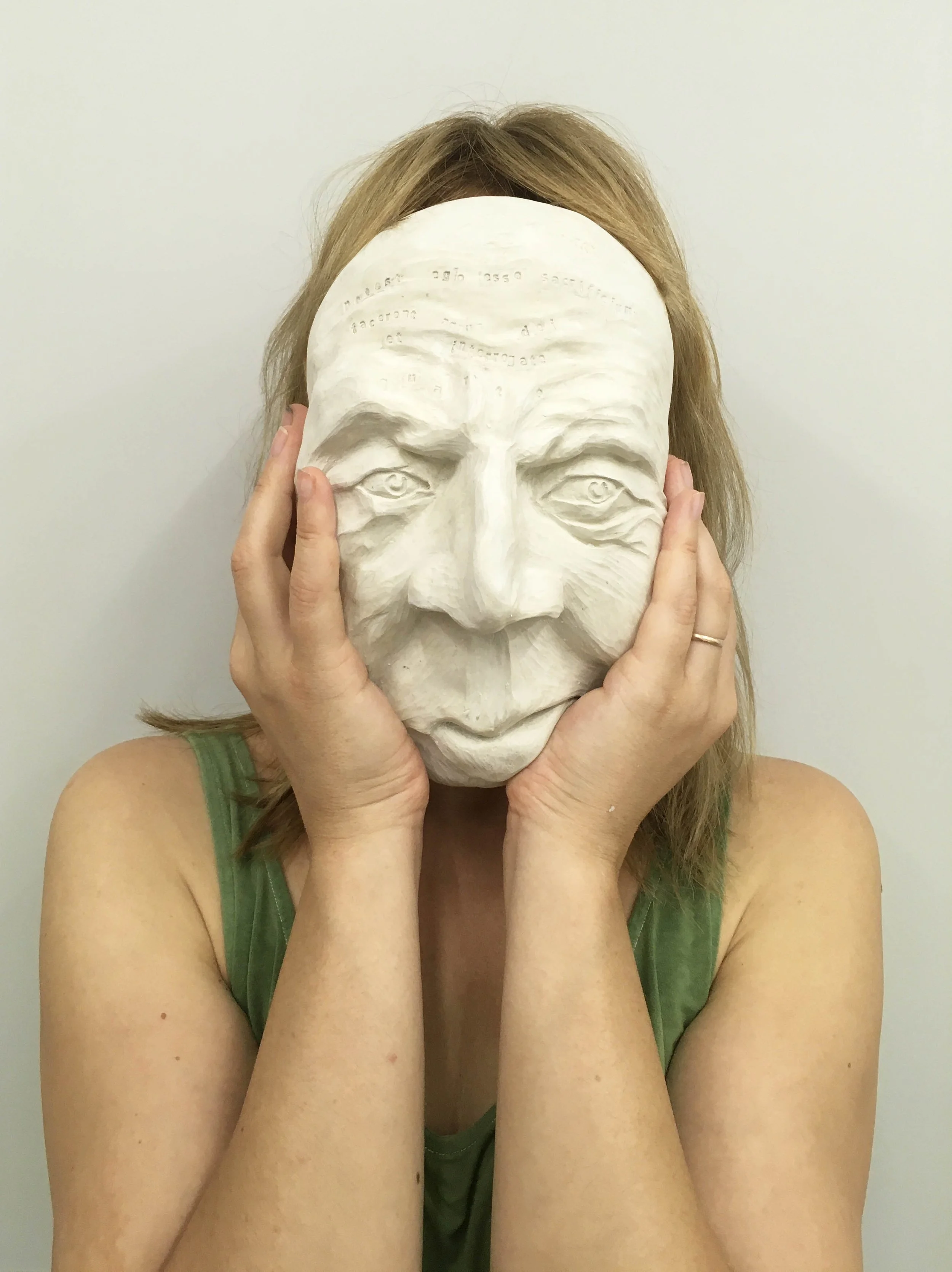
UFNA, 2021
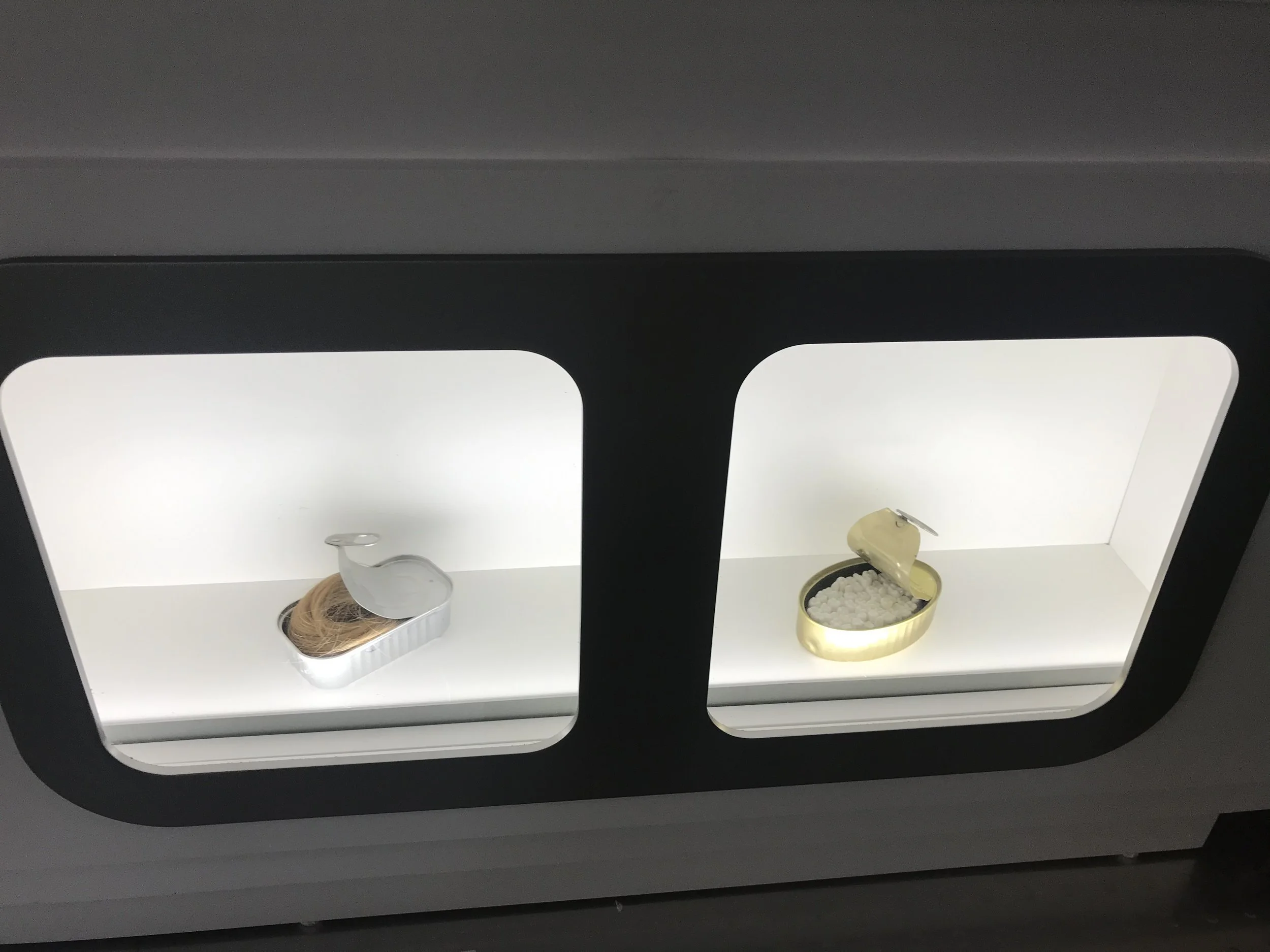
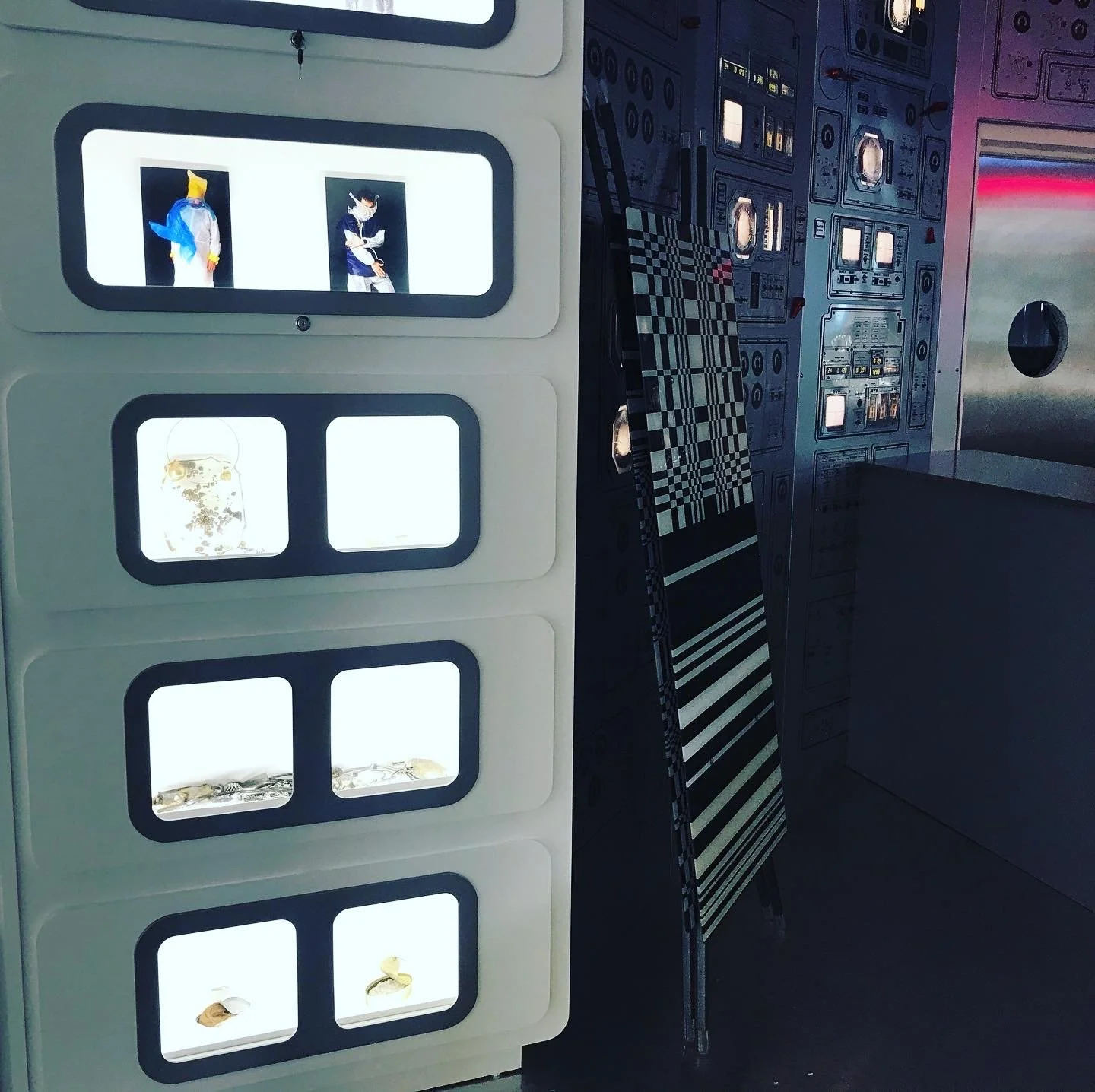
The 1st International Art Triennial Unpredictable Futures is a project of visions and research that responds to the space age and the Anthropocene, forecasting life beyond Earth. The project is implemented in Molėtai and its surroundings, which, thanks to Lithuanian scientists and artists, became a place of visual, pragmatic, prognostic, ontological and other connections with the cosmos several decades ago. The 1st International Art Triennial Unpredictable Futures (UFNA) will seek to answer the question of what the world of the future will be like.
Interactions between materials and bodies, cosmic lights and sounds, alpha, beta and other particles, black holes, gravity and other cosmic experiences will be embodied in artefacts. Through traditional and interdisciplinary media, participants from all over the world will present their work, identifying their relationship with the cosmos, their own and other bodies, exploring innovative materials and technologies, or even using the enigmatic X (12) dimension.
The Triennial features the work, design objects and artistic research of over 60 artists and art researchers from Denmark, Iran, Canada, Lithuania, New Zealand, Pakistan, Sweden, Switzerland and Germany.




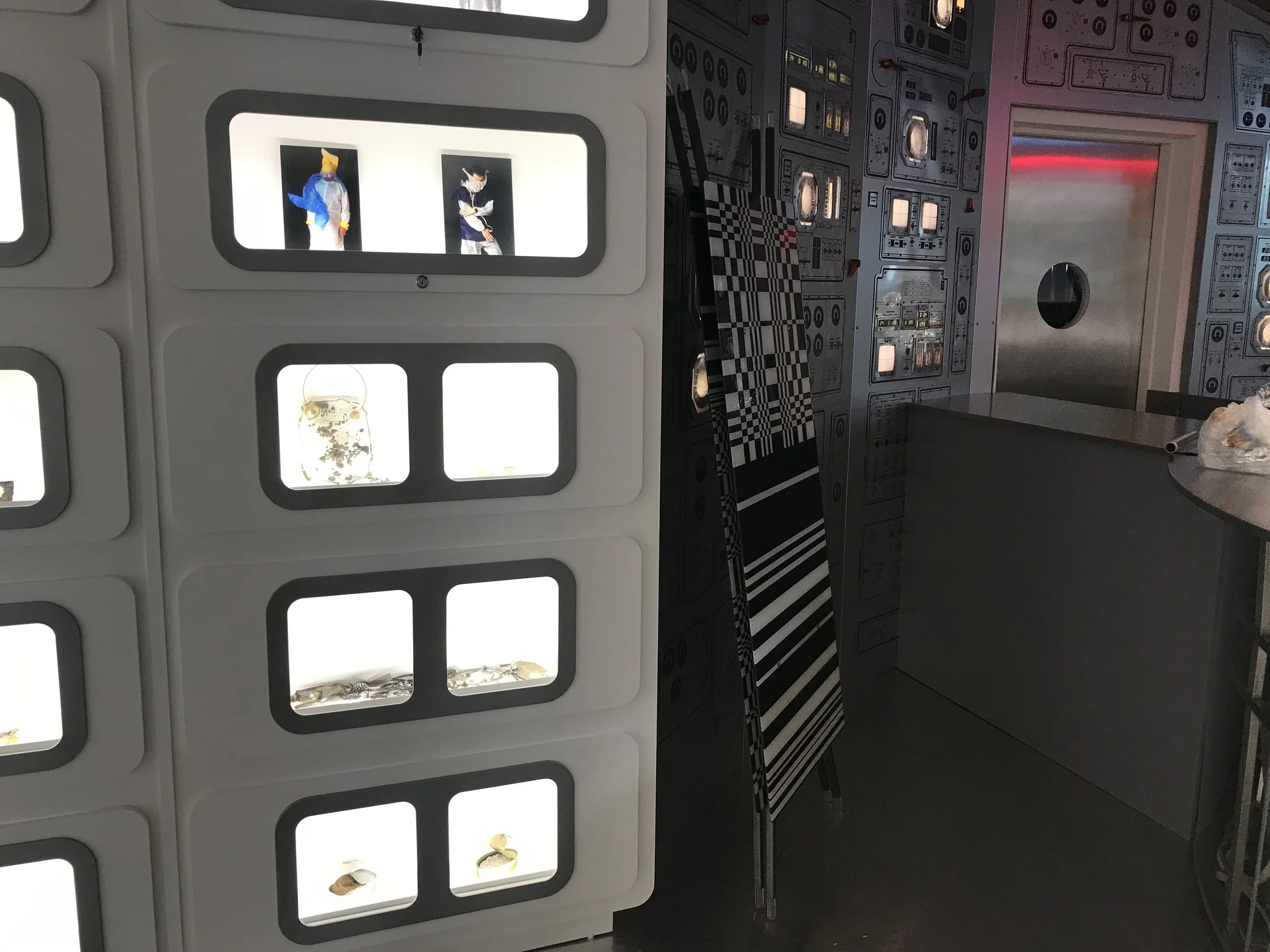


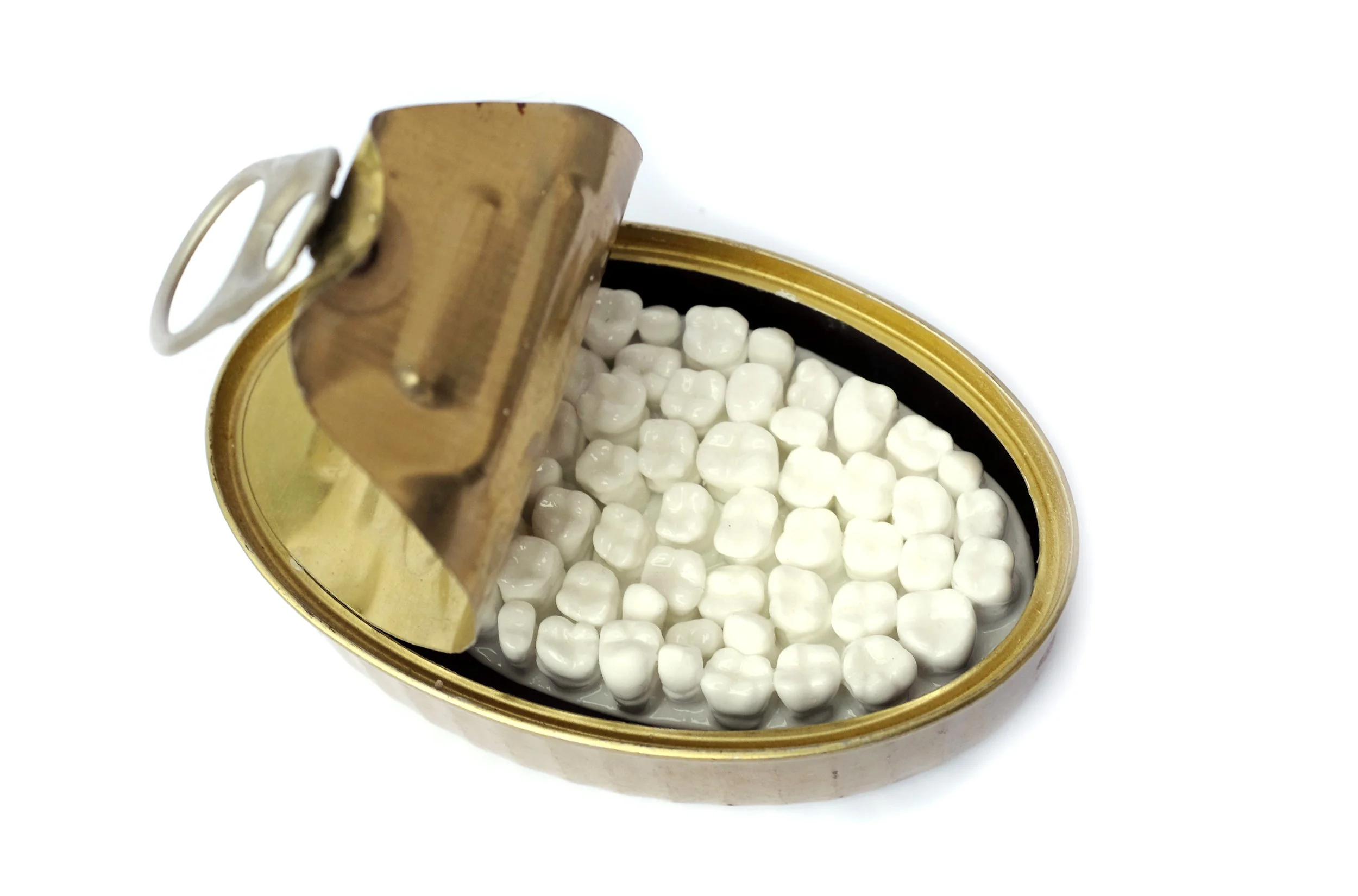
This exhibition invites viewers into gardens of imagination, where eccentric amusements, ironic jokes, and perverse visuals intertwine with eerie sensations and playful illusions. Echoing Hieronymus Bosch’s The Garden of Earthly Delights, the artworks explore the fine line between fantasy and reality, pleasure and unease, humor and horror.
Featuring works by Virginijus Kinčinaitis, Meda Norbutaitė, Ieva Mediodija, Solveiga Gutautė, and the anonymous collective fata morgana, the show navigates themes of absurdity, subconscious fears, and carnival-like excess. From Kinčinaitis’s unsettling “cheap exotic” smartphone snapshots to Norbutaitė’s clowns dancing between fun and cruelty, from Mediodija’s neurotic color fields to Gutautė’s mischievous soundscapes of Palanga, each piece offers a different lens into distorted realities.
The eerie narrative read aloud by fata morgana—an excerpt from W.W. Jacobs’ The Monkey’s Paw—adds an additional layer of uncanny tension, evoking the danger of tampering with fate. The lack of traditional labels invites the audience to engage more closely, to guess, listen, and feel their way through.
Ultimately, this exhibition is an invitation to let go of rigid logic and rediscover a playful, mysterious way of seeing—a space where fiction and intuition can reveal deeper truths.
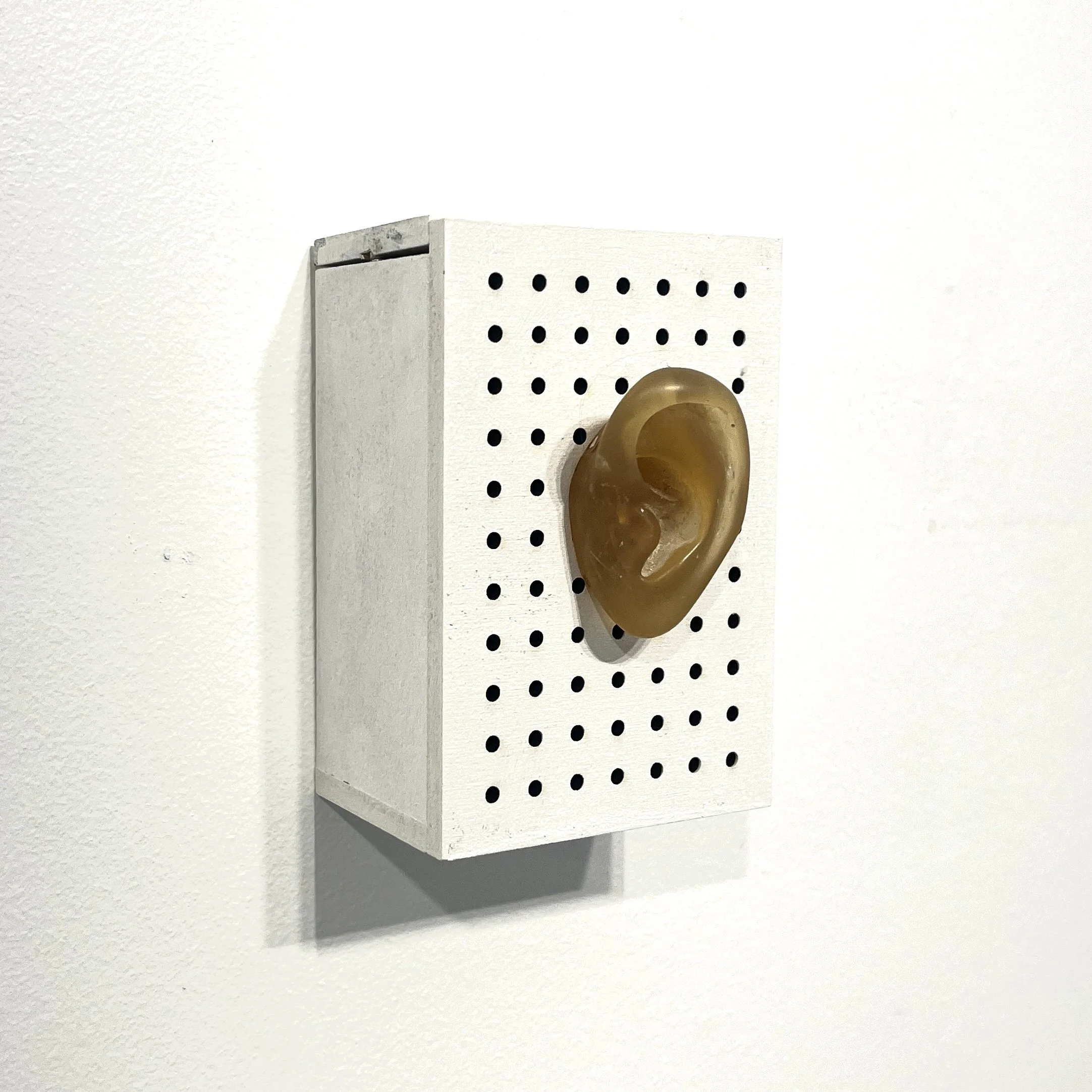


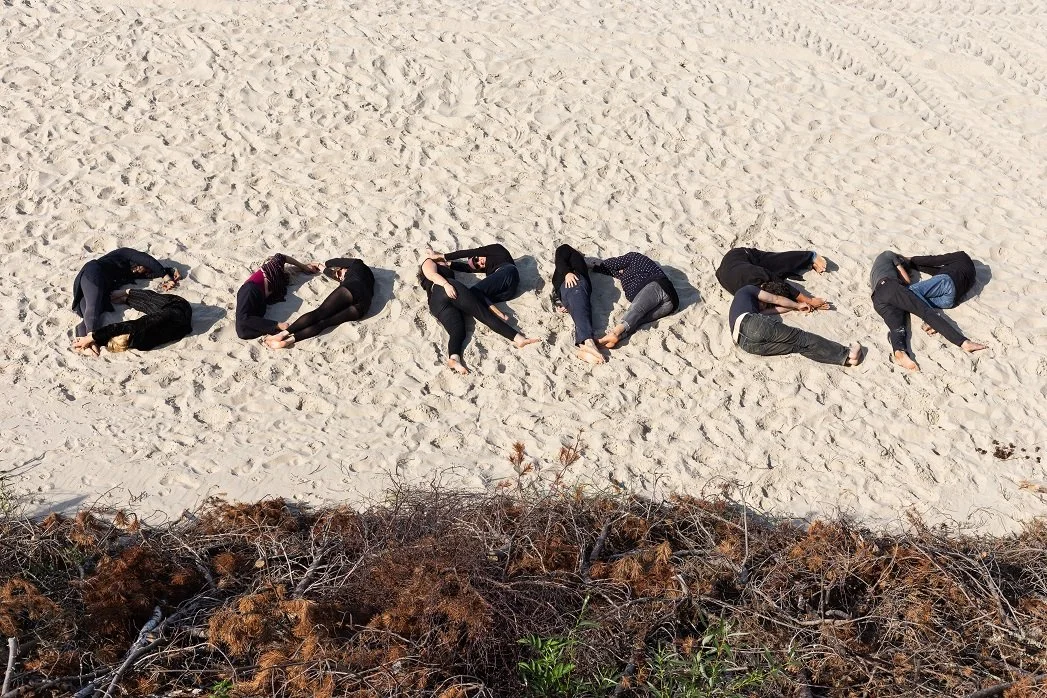
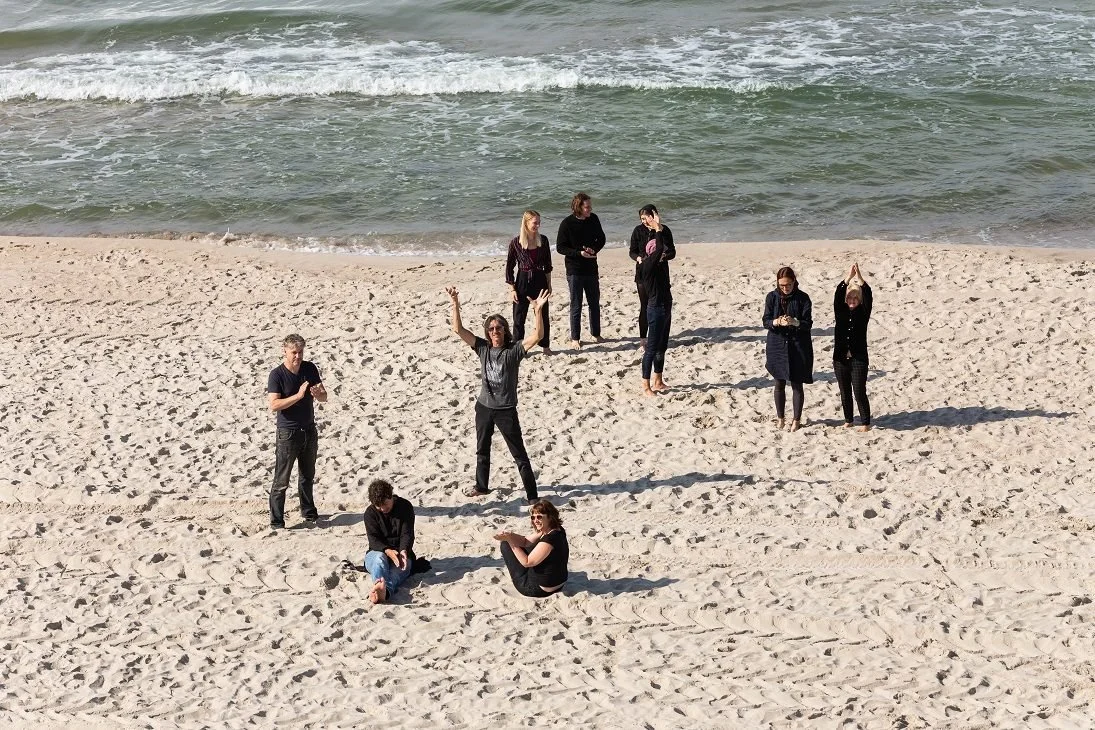
„The Baltic Sea: A Liquid Memorial“ workshop. Nida colony, 2018
Workshop leaders Horst Hoheisel and Andreas Knitz.